

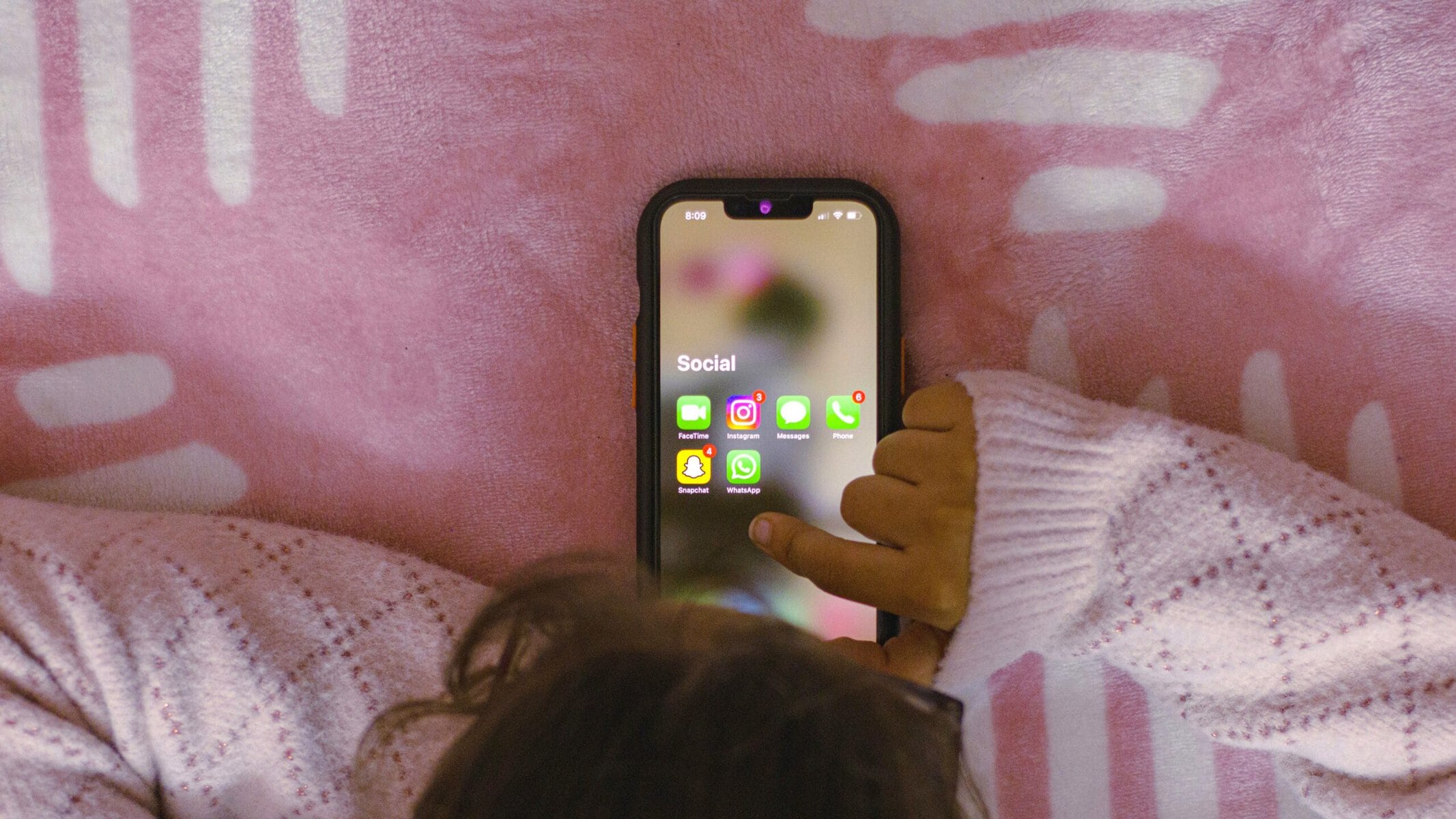


Yes, it was only a few decades ago that most parenting decisions were made by parents. Today, we seem to involve several levels of government, Moms and Dads, and people in between.
One recent headline screamed, “Social media ban for kids is bad policy.” Most of us agree that young and not-so-young people stare at their hand-held devices too much each day. Even my very with-it Gen Z daughter Carrie thinks that in principle, Manitoba Premier Wab Kinew and the federal government of Australia are correct in banning social media and AI chatbots for kids 16 and under.
But the devil is in the details. How would this dynamically game-changing policy be rolled out and then enforced? Prove you qualify, and obey the rules.
Please permit me to ramble off on a tangent. In the ever-expanding beer section of the excellent Avondale store on Mary Street, a friend and I were discussing the proposed social media legislation.
Out of the blue he said, “One reason discipline today is so different than before is that our parents and grandparents had different terms of reference. Military chains of command were much easier to comprehend.”
I had never thought of that like that. And reflecting, two very influential people in my life had been military veterans. Officers. One from Australia, and one from Canada.
They were very dogmatic, and very strict. When they announced a decision, they weren’t inviting comments and discussion.
And let’s talk very briefly about discipline, consequences and punishment. I am not condoning “the way it was,” but can we even imagine spanking and the dreaded strap today? Or even worse, a leather belt whacked on a bare backside?
Not that long ago, my friends. Isn’t this food for thought?
Our parents weren’t cruel or mean-spirited. It was just so different, back one generation. Such a short time ago.
Rambling back to the current discussions about banning social media for younger people. One headline from the May 4 Globe and Mail read, “Breaking teens’ fixation on phones.” An opinion piece by the communications manager at Outward Bound Canada. A bit too deep for me to really comprehend, somewhat academic, but points well-taken. And very Canadian in some ways.
I couldn’t help but think that we Canadians dither a lot, and avoid making tough decisions. For example, why do cyclists have to wear helmets only until a certain age? Do our skulls suddenly get harder when we turn 16? And what message does this send to children?
And at construction zones on highways, why do we only have to reduce our speed if workers are present? By the time we notice workers are present, it could be too late. I shake my head. I do wonder.
Back now, rambling to the much-discussed social media ban for kids. Sounds great in principle, but what about the practice? How will this logical new policy be enforced? I know, I know, some schools have already taken the big leap, and we read good reports and comments.
And for a much more complete, scholarly opinion about the current phone ban, I will recommend you read an opinion piece by Joel Westheimer: he is a professor of democracy and education at the University of Ottawa.
His piece can be found on page A4 of the May 5 issue of the St. Catharines Standard. The headline, near the bottom of the page, is “Phone ban on its own isn’t enough.”
In my rambling opinion, he says it all, and it will be interesting to follow along as this important issue plays out.
Stay tuned, fasten your seat belts and be open-minded. Try to keep up.