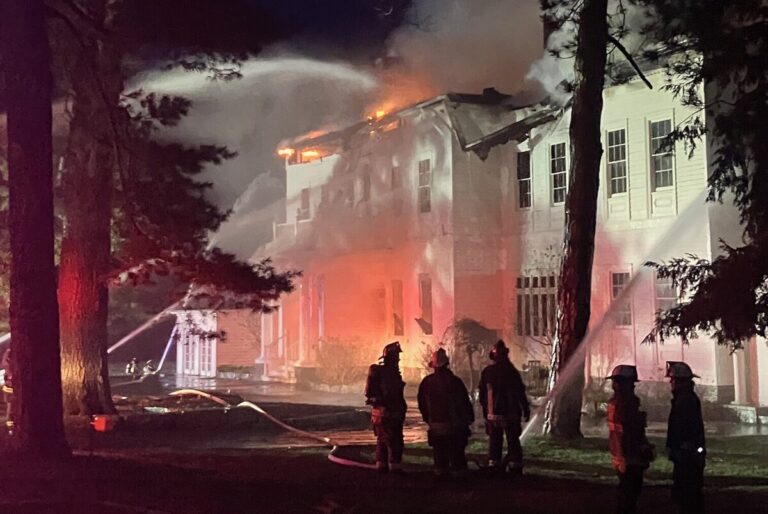

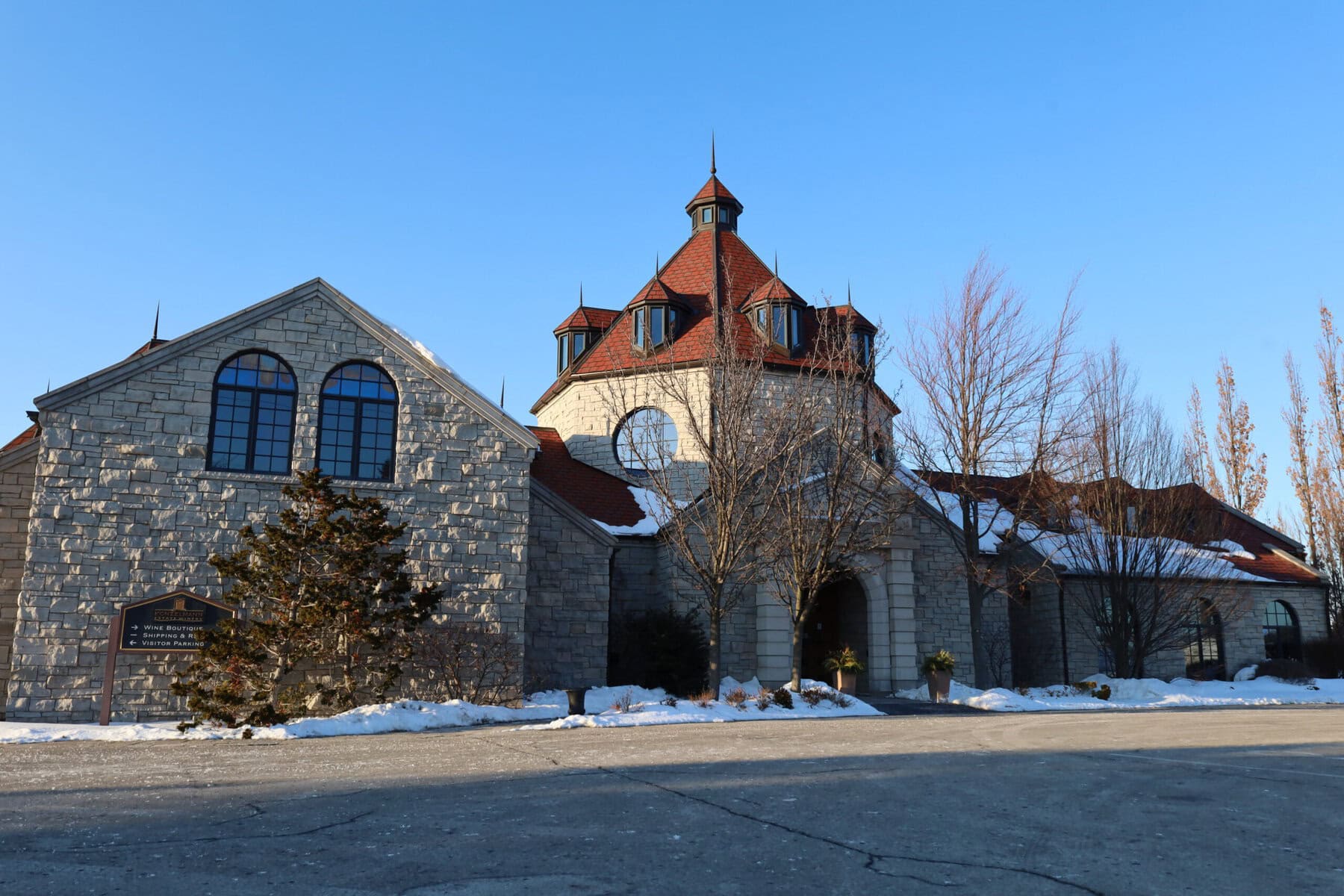


A judge has dismissed the case against the Town of Niagara-on-the-Lake in a roughly two-year court fight over outdoor events at Konzelmann Estate Winery. This comes after the town approved new zoning rules to allow outdoor events at the winery, pending municipal approval.
Neighbour Ed Werner, president of Brox Company Limited, took Konzelmann Vineyards Inc. and the town to court after the winery hosted outdoor events in 2024 and 2025 that were not permitted under its zoning and site plan.
Justice A.J. Ohler declared those events violated the rules in February, issuing a court order for Konzelmann, which it agreed to. It required the winery to follow its zoning and site plan and not host outdoor events.
As for the town, Brox was seeking to compel NOTL to “enforce its zoning bylaw and or the site plan agreement with Konzelmann” and restrain from “encouraging and or facilitating breach of its bylaws,” the court decision said.
That case was dismissed on April 23.
Ohler ruled that municipalities have broad discretion in how they enforce bylaws and can’t forced to act unless a law clearly requires it, which the town’s zoning bylaw does not impose.
The court found no evidence the town acted unfairly or in bad faith and treated its decision not to enforce the bylaw as a discretionary choice.
The decision came ahead of the town’s April 28 meeting, where councillors approved an outdoor hospitality area at the winery with limits on size, number of events and hours.
The property remains subject to a holding (H) symbol that council must lift after site plan approval, addressing details such as parking, landscaping and buffers, is in place.
The site plan would be approved at the staff level and would not return to council. Events could only proceed once it is approved and council lifts the holding (H) symbol.
The bylaw permits up to 24 outdoor events per year, with a maximum of 132 people per event, between 10 a.m. and 8 p.m., from April to October.
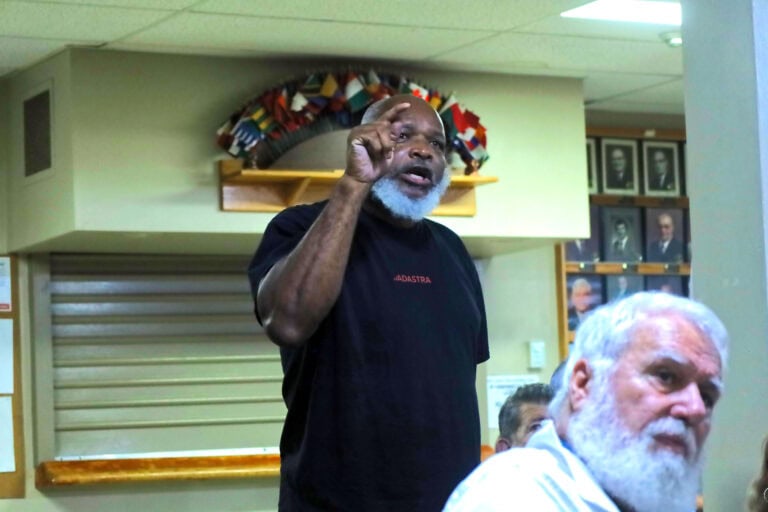
“Converting that land into commercial tourism operations risks shifting its value beyond what working farmers can afford,” Werner told The Lake Report, adding that he’s concerned the town is prioritizing tourism over farmland.
“Over time, this creates pressure for farmers to sell or to abandon agriculture in favour of tourism-based business models.”
Werner said residents will also feel the impact, noting many chose the area for its rural and agricultural character, which he said could be changed by increased tourism “in ways that cannot easily be reversed.”
Allowing the zoning bylaw to be amended, he said, clears the path for activities previously found to be non-compliant.
“This sets a troubling precedent,” he said. “Rules can be changed after the fact, instead of upheld.”
Werner said the issue could factor into how voters weigh tourism, agriculture and residential priorities as they head toward the next municipal election.
Before the bylaw was approved, councillors raised concerns about previous requirements being in the site plan, noise and how event limits would be enforced.
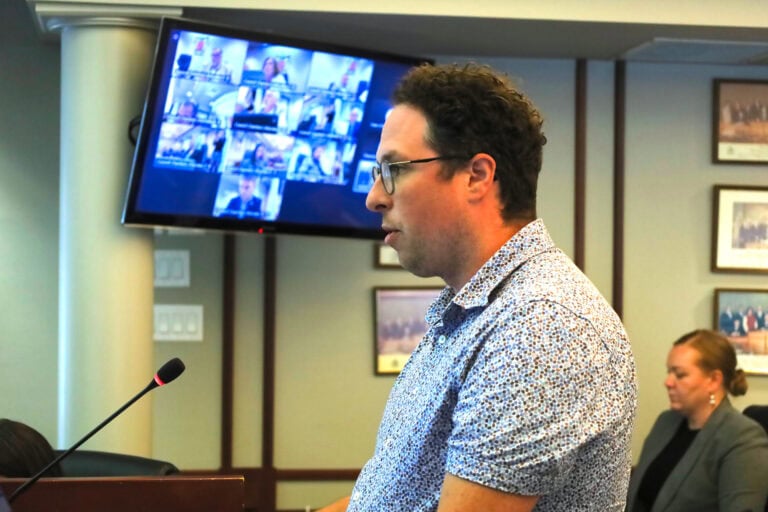
“The site plan does not come back to council, so how do we ensure that when doing the site plan, that those items will be part of it?” Coun. Sandra O’Connor asked.
Staff said existing requirements would still proceed.
“We will be ensuring that all previous site plan requirements will be upheld,” said Aimee Alderman, the town’s director of planning, building and development services. “Or improved, based off of current standards.”
O’Connor also highlighted potential issues with outdoor events’ noise and proximity to neighbours.
“The amplified sound still concerns me,” she said.
Her motion to prohibit amplified sound failed in a tied vote.
Other councillors questioned how limits would be enforced.
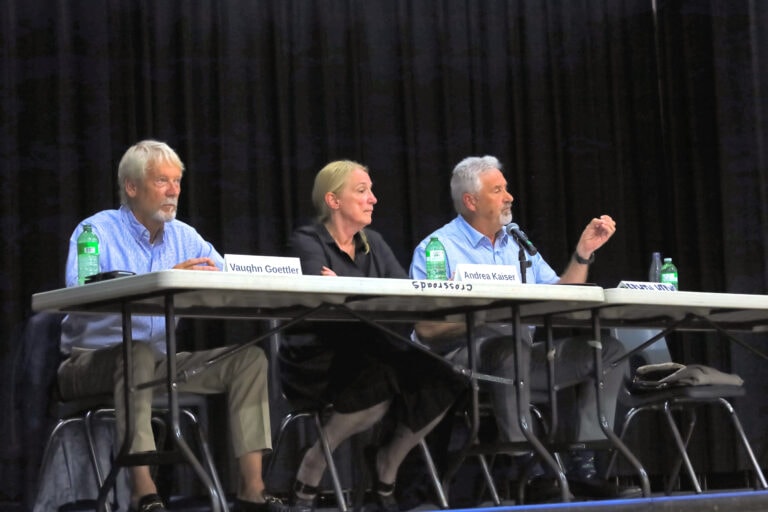
Lawyer Tom Richardson argued council should limit events to about two hours, in line with what the winery had said it was seeking during earlier public consultations.
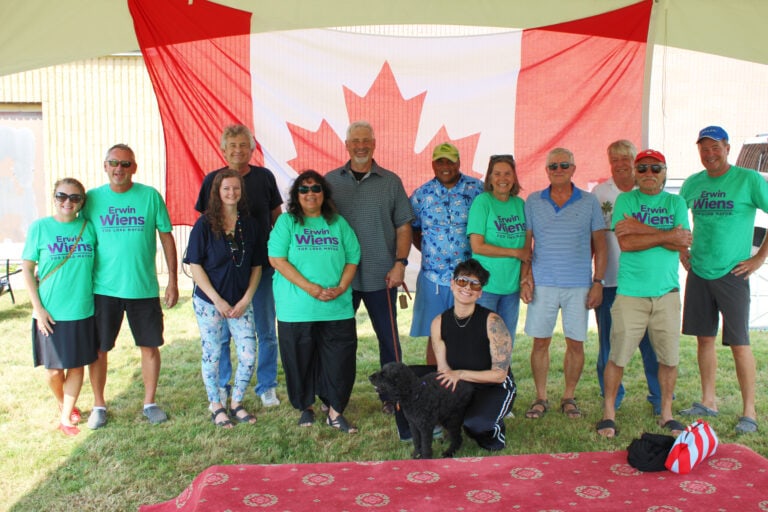
“From an enforcement issue, we wouldn’t have the people in place,” Coun. Erwin Wiens said.
Wiens said enforcing a two-hour limit would be “almost impossible,” as tracking when events begin and how long they run would be challenging.