


David Israelson
Special to The Lake Report
Supporters of turning Niagara-on-the-Lake’s taxpayer-owned gateway property at 176 Wellington St. into a parking garage — and this includes the current council — seem to be operating under the illusion that parking would be a money earner for Canada’s most beautiful town. They may be wrong.
NOTL is “in the parking business,” Coun. Maria Mavridis said. But the actual numbers suggest that it’s a bad business. A parking palace at 176 may become NOTL’s next money pit.
Council has already started digging itself into a hole over this parking pickle. In March, the town voted 6-3 to direct its staff to spend up to $200,000 to design a parking garage with some bathrooms and a few extra rooms at the front.
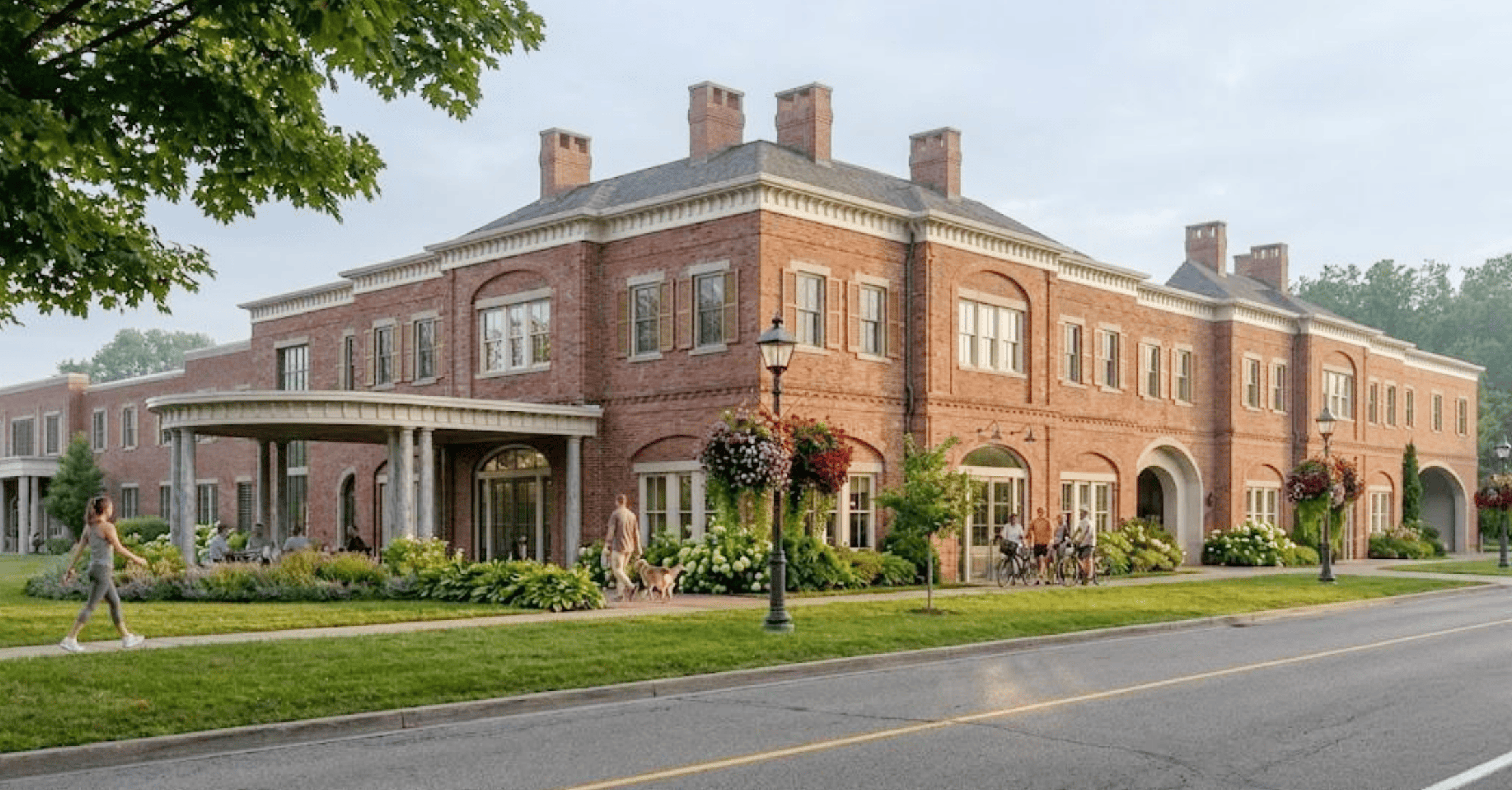
They rejected a proposal that would have invited other ideas to be pitched, such as the James A. Burton Family Foundation’s dream of turning the property into a hub for music, theatre, educational, tourism and Indigenous groups.
Council was told that an actual garage would cost between $9 million and $18 million to build — quite a gap, with little indication as to who would pay to build and maintain it.
The rationale is that somehow, historic NOTL is desperate for more paid parking spaces. The argument goes that a gateway garage would ease congestion in Old Town — you’d think it’s Manhattan — and bring in vast revenues that could be applied directly to worthy projects in St. Davids, Virgil, Queenston and Glendale.
The actual numbers suggest otherwise.
It appears that the Niagara-on-the-Lake heritage district has 787 metered spaces, with rates between $5.25 and $5.75 per hour, enforced between 10 a.m. to 8 p.m.
If each of those spaces were occupied and paid for every single day for every single hour where fees are charged, each space would generate more than $20,000, nearly $16 million per year for all of them together.
But they don’t generate nearly that much. Niagara-on-the-Lake’s 2024 Annual Report shows total parking revenue of $3,437,657. That’s about $4,368 per space annually.
This suggests that the town’s paid parking spaces are operating at less than 23 per cent of full capacity. At the paid parking that’s already at 176 Wellington St., even fewer people are paying to dump their cars — spaces there are at about seven per cent of their money-making capacity.
So the town’s idea so far is that we should spend $200,000 to design a parking garage that could cost taxpayers up to $18 million based on, what? A perceived need for more parking in a town where the existing paid spaces are unused at least three quarters of the time.
It’s true that there are occasions when Old Town is jammed with cars — during the various fruit festivals, on Candlelight Stroll night in the fall and whenever there’s a smash hit at the Shaw.
But easing congestion wasn’t council’s main rationale for leaning toward a garage at 176 Wellington — money is. Council members either believe or were led to believe that parking will bring in piles of it.
The numbers say it won’t.
Even if it did, there’s no assurance that even a penny of new revenues would go to badly needed projects such as a community centre/new pool in St. Davids or Glendale or adding more much-welcomed landscaping in Virgil.
Our council members either know the numbers for parking don’t work, or they ought to know. And for those members who already understand, voters might ask:
Why are they so intent on turning one of the last pieces of community-owned property into a money-losing parking lot?
David Israelson is a writer and non-practising lawyer who lives in Niagara-on-the-Lake.