
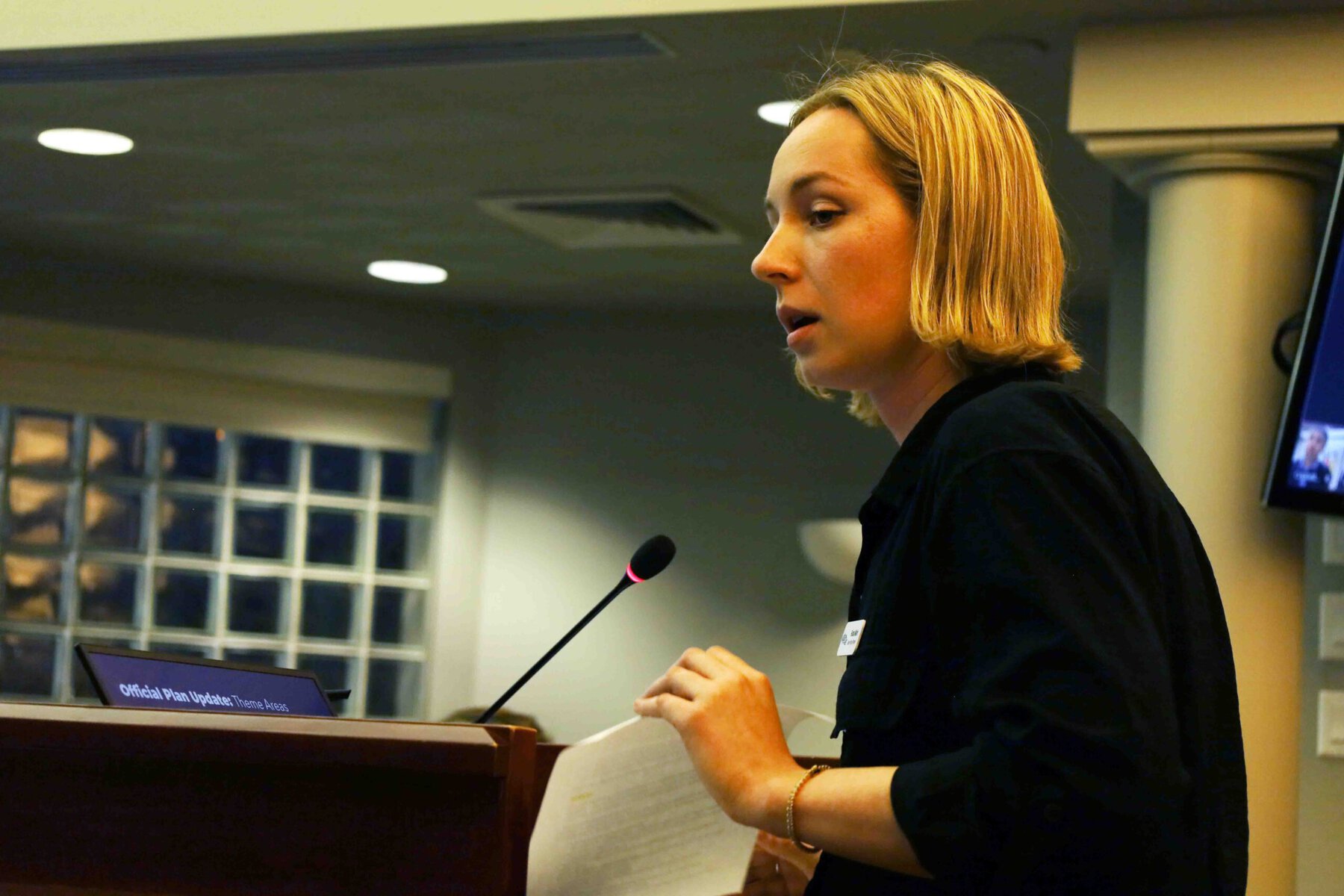


A plan meant to shape Niagara-on-the-Lake for the next 25 years is about ready to be sent off to the province for final approval — after almost a decade of work and one last change.
More changes could still come to the final draft official plan after concerns were raised Tuesday about its wording.
After making one small adjustment, council approved the final draft — which still needs to be formalized through a bylaw expected to be presented at an April 28 council meeting.
Once that bylaw passes, it must be sent to the Ministry of Municipal Affairs and Housing for approval before it takes effect.
The updated plan will guide where homes, businesses and infrastructure are built through to 2051, setting rules for housing, roads and services while aiming to protect farmland, heritage and the natural environment.
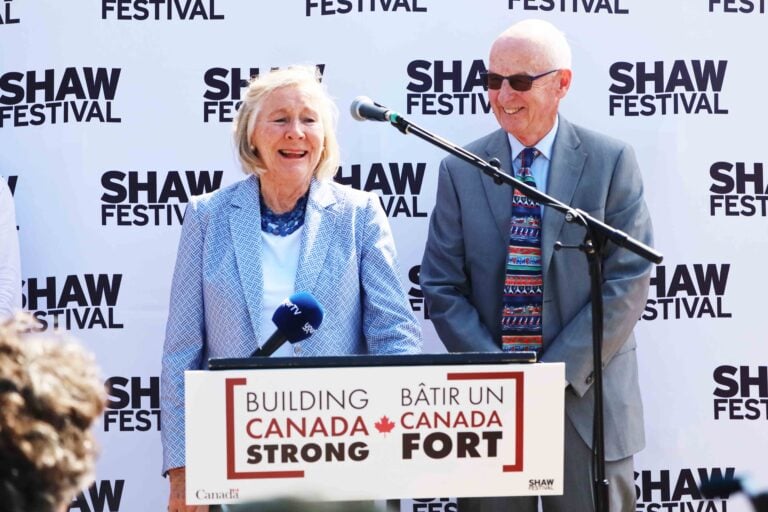
“This official plan reflects where we are today and sets a clear, confident direction for how we will grow and thrive in the years ahead,” said Aimee Alderman, director of planning, building and development services for the town.
NOTL’s current planning framework dates back to a plan first put in place in 1994 and updated in 2017.
A newer version approved in 2019 never came into force due to changes in provincial policy and the approval of the Niagara Region official plan in 2022, which required the town to update its own plan.
Councillors described Tuesday’s vote as a milestone after a long process.
“This process started in 2017 — that’s nine years ago,” said Coun. Wendy Cheropita. “This is a moment of celebration.”
But before approving the plan, council changed the wording of a policy related to estate and farm wineries.
Coun. Sandra O’Connor asked to bring back earlier wording from the town’s previous plan, requiring that at least 75 per cent of land associated with wineries be in active vineyard production.
“In the updated one, it doesn’t say anything about 75 per cent. It just says predominantly,” she said.
“We got a letter today saying we need more clarity in our wording — and for clarity purposes, I really think ‘predominantly’ is going the opposite way.”
Council approved the change, passing the modified plan.
While a winery representative warned that some of the proposed wording could make existing wineries non-compliant as soon as the plan takes effect, council did not adopt those changes at the meeting.
“I worry that some of the wording that was put in there actually sets us into a position where some — even the founding wineries — would already not be in compliance with those rules,” said Del Rollo, the vice president of corporate affairs at Arterra Wines Canada.
“The policy changes are important to us because we are a farm-first industry — local fruit matters,” he added.
Rollo asked council to adjust language to better support breweries and distilleries together, maintain a focus on local fruit and better reflect how wineries currently operate.
“We’re happy to meet with staff, councillors anytime to be able to discuss this,” he said.
Staff said it would review his comments and report back to council.
“Our hope is that we’re able to provide a bit of a memo back to council — with any changes or any asks that staff have been requested to consider — to say how we’ve reviewed those and how they’ve been incorporated, or not, into the final,” said Alderman.
“That would be before you for adoption of the bylaw on April 28.”
Gordon Stratford, speaking on behalf of the NOTL Residents Association, supported the plan overall and the work behind it, but urged clearer, more definitive language.
“While we and others would like to have seen greater use of the words ‘shall and will,’ rather than ‘may and should,’ we see this as a strong foundation for the whole planning process going forward,” he said.
Stratford highlighted the importance of a future community planning permit system to improve transparency and predictability.
“Our committee, along with others in town, see this as a vital tool in the planning process,” he said.
Staff said the official plan allows for that type of system, but implementing one would require a new bylaw and likely restarting earlier work on the file.
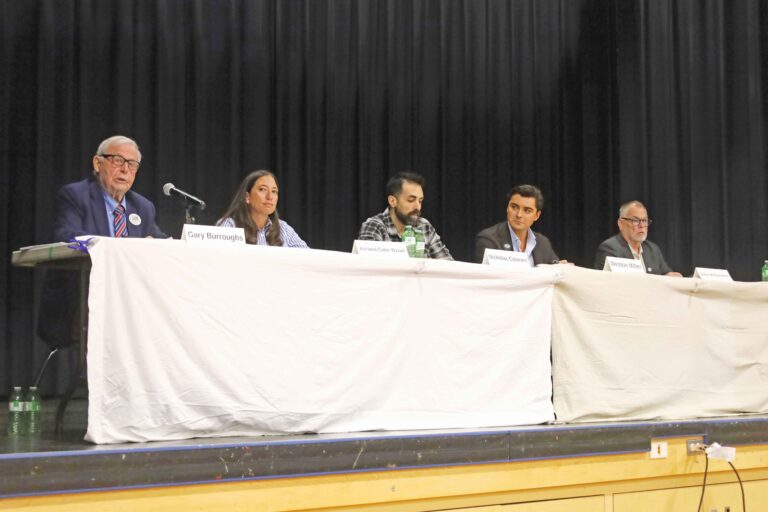
“We can certainly have staff take a look through the work that was completed in the early 2020s,” said Alderman, after O’Connor and Coun. Gary Burroughs proposed a motion directing staff to do so.