


Niagara-on-the-Lake’s push to cut two council seats ahead of the 2026 election has been rejected by the province, leaving councillors divided over whether the move was rushed or needed.
That proposal would have reduced council to seven members, including the lord mayor, from nine — but the town received a response from the minister of municipal affairs and housing last week confirming the change would not move forward. There are no plans to pursue further reforms before the next election.
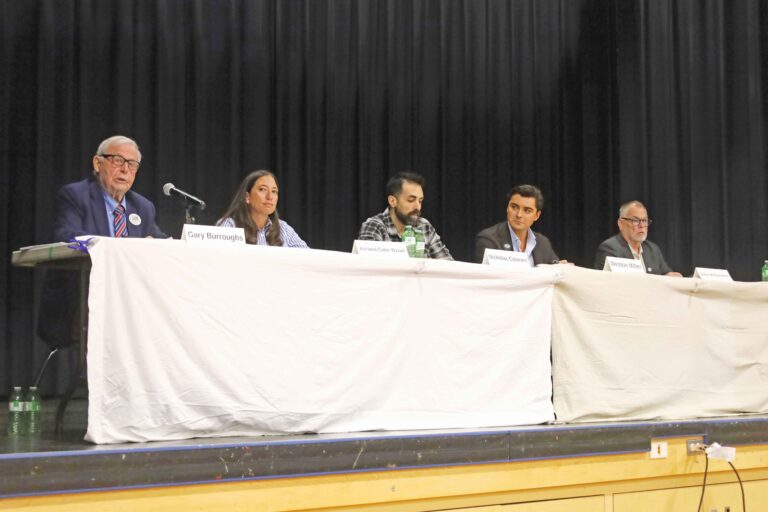
Coun. Gary Burroughs said the move came too soon.
“To me, I think it was premature by this council and several others,” he said, arguing the town should have waited for direction from the province before acting.
The town’s amalgamation working group proposed the idea, which was later summarized in a report presented to council March 24, when council voted to ask the minister to consider the change.
The town submitted its plan to cut council to Municipal Affairs Minister Rob Flack. In response, the minister called Coun. Erwin Wiens and explained that the province will not be moving forward with the proposal.
“The province chose not to reduce council,” said Wiens, the councillor who brought forward the motion.
However, Wiens said the province “noted that they saw leadership from Niagara-on-the-Lake.”
“That helped them in their decision not to amalgamate moving forward,” he said. “We needed to be ahead of the game.”
Wiens said council’s goal was — and is — to “stave off amalgamation and remain autonomous,” noting the threat of amalgamation is still in front of the town, but “not imminently.”
Lord Mayor Gary Zalepa said acting early was necessary.
“It’s the municipality being proactive,” Zalepa said.
Coun. Wendy Cheropita concurred, calling it a good move for several reasons.
“If it helps to maintain our community in its entirety,” she said.
Cheropita said the town has also been exploring what else can be done to find savings and “hopefully not have to be part of the amalgamation process.”
Other councillors said representation is too high of a concern.
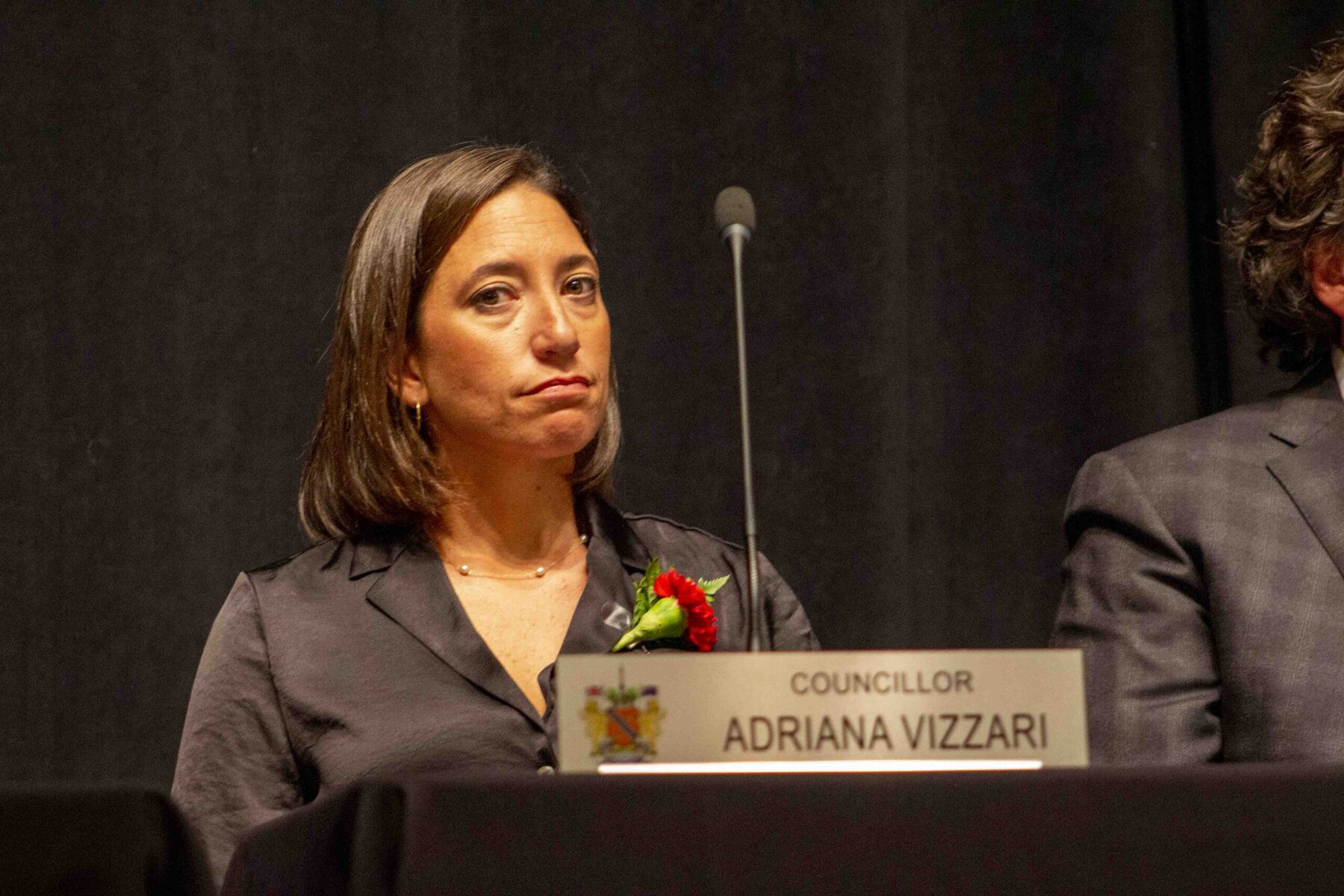
“Fewer representatives will dilute the voices of Niagara-on-the-Lake’s distinct villages and limit residents’ access to local decision-makers,” said Coun. Adriana Vizzari.
Vizzari and Burroughs said residents must have a voice and a council downsize could weaken that and the diverse perspectives needed for effective governance.
“I care deeply about this,” Vizzari said.
Coun. Sandra O’Connor said the town’s intention was “to address the premier’s concerns” since it does not want to be amalgamated.
She said the move would’ve only brought minimal financial savings anyway — with councillors earning about $20,000 a year — and left residents with fewer representatives to contact.
“That is a problem, but you have to weigh the potential for full amalgamation against that,” she said.
Coun. Andrew Niven said he saw both benefits and drawbacks to the decision.
“We need to be careful with a one-size-fits-all approach,” he said.
“If this change helps strengthen our governance model and potentially avoid changes like amalgamation, then I see it as a positive step forward.”
“But that being said, I don’t believe the reduction will result in dramatic cost savings and do have some concerns about the potential loss of representation,” said Niven.
Coun. Maria Mavridis said any change would still require a bylaw, adherence to the Municipal Act and provincial approval before taking effect.
Now, Coun. Tim Balasiuk said the issue comes down to balance.
“A smaller council can improve efficiency and decision making, but it must not come at the expense of strong representation for our residents,” he said.
“It is essential that every voice in Niagara-on-the-Lake continues to be heard and reflected at the council table.”