


Niagara-on-the-Lake council has voted to reduce its size from eight councillors to six, a move set to take effect in time for the 2026 municipal election.
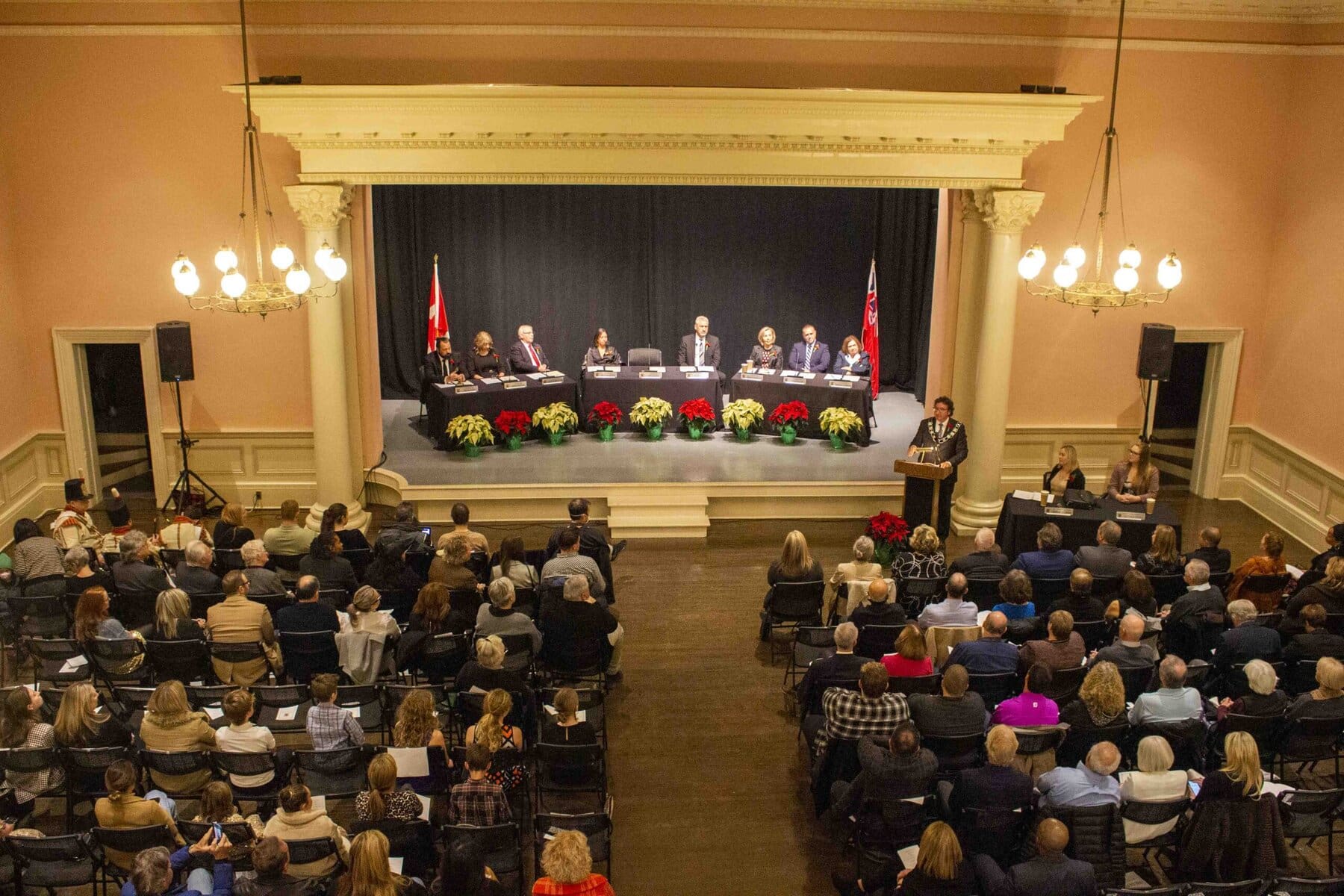
Council approved the change at its March 24 meeting, framing it as part of a broader effort to streamline local governance and respond to concerns raised by the province about municipal structures across Niagara.
The new composition would see one lord mayor and six councillors, down from the current one lord mayor and eight councillors.
Lord Mayor Gary Zalepa said the decision reflects the fact that NOTL is a small, rural community and that the town’s governance structure should mirror that.
“A smaller council is not a weaker council; it is a more focused, more accountable and more effective one that can better serve our residents,” he said.
With a population of about 19,000, Niagara-on-the-Lake currently has one of the higher ratios of councillors per resident in the region.
The move comes amid a wider regional conversation about council sizes and governance, sparked by former regional chair Bob Gale’s letter to Municipal Affairs Minister Rob Flack in late February, which put the prospect of amalgamation on the table.
He followed up a few weeks later with another letter to the minister with the idea of reducing the size of several municipal councils in Niagara, including NOTL, instead of merging Niagara’s cities and town.
Several Niagara municipalities — including Thorold, Port Colborne and Grimsby — have also passed resolutions to reduce the number of elected officials on their councils.
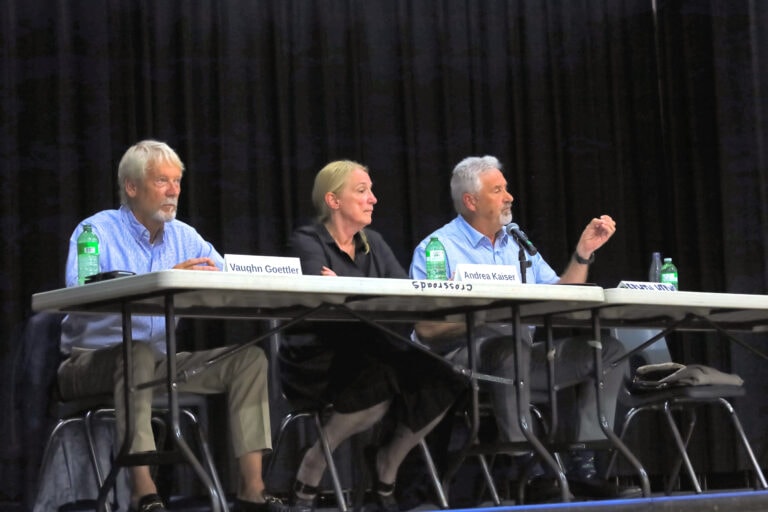
There was discussion of the matter on Tuesday among NOTL council, with Coun. Erwin Wiens saying the town has no choice but to move to this new council size.
A few councillors, however, questioned aspects of the decision, including Coun. Sandra O’Connor, who called this “a political issue,” not based on the “rationalization of costs.”
Across Niagara’s 12 lower-tier municipalities, more than 100 elected officials currently serve, with council sizes ranging from four to 12 councillors.
Town staff will now begin the administrative and legislative steps required to implement the change, including seeking provincial approval and updating election procedures.
The town is asking the province to put the necessary legislative framework in place by May to ensure the smaller council can be in effect for the 2026 election.