


Wastewater costs are surging in Niagara-on-the-Lake — and staff warn parts of the system are nearing a “critical state of almost failure.”
The concern came during discussion of the town’s 2026 water and wastewater budget and rates report, where councillors pressed staff on why wastewater rates are climbing faster than water and where the money is going — before ultimately approving staff’s recommendations.
The report recommends a three per cent increase to water rates and a 10 per cent increase to wastewater rates to fund operations and infrastructure. It also includes a $3.78-million capital budget for 2026 — up from $2.5 million last year.
New rates will take effect April 1.
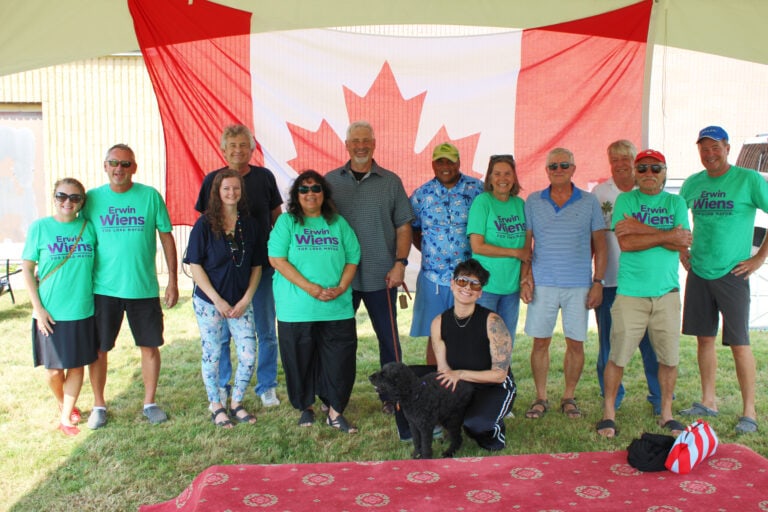
“What is this deficit that we’re seeing?” Coun. Erwin Wiens asked, questioning the need for continued increases.
Staff say the answer lies largely outside the town’s control.
In Niagara, water and wastewater services are split between two levels of government, with the region handling treatment and local municipalities managing distribution, collection and billing.
Staff said regional wastewater charges are expected to jump by 21 per cent or $1 million primarily because of “necessary inflationary pressures and capital costs required to ensure the health, safety and reliability of the systems.”
Staff recommended rate increases to keep the system running, pay for repairs and start closing the long-standing infrastructure gap.
According to the report, staff have historically turned to rate-mitigation strategies such as “temporarily reducing transfers to capital reserves,” to moderate rate increases for wastewater and water.
Coun. Wendy Cheropita questioned the spike and said inflation doesn’t explain it.
“Inflation is only 2.3 per cent,” Cheropita said. “So, 21 per cent — can you explain that?”
Staff pointed to years of deferred investment.
“Catching up,” staff said, citing a lack of past capital spending and increasing infrastructure demands.
“Increases are in our forecasted rates for quite a while.”
Councillors also raised concerns about whether the town is allocating funds properly between water and wastewater systems.
“Are we splitting the water — wastewater — to the best possible use for infrastructure needs?” asked Coun. Gary Burroughs.
Staff said the town’s rates are based on a five-year study completed in 2024 and are “appropriately allocated.”
Other questions focused on system performance and long-term risks.
Coun. Erwin Wiens asked about water loss along transmission lines and whether the issue had improved.
“We were working towards trying to close that gap to find the reasons why that was happening,” he said. “Is that still an ongoing issue?”
Staff said water is lost through leaks, unmetered connections and aging meters that don’t accurately record use. The town addresses the issue over time as pipes are replaced and unauthorized connections are identified and removed.
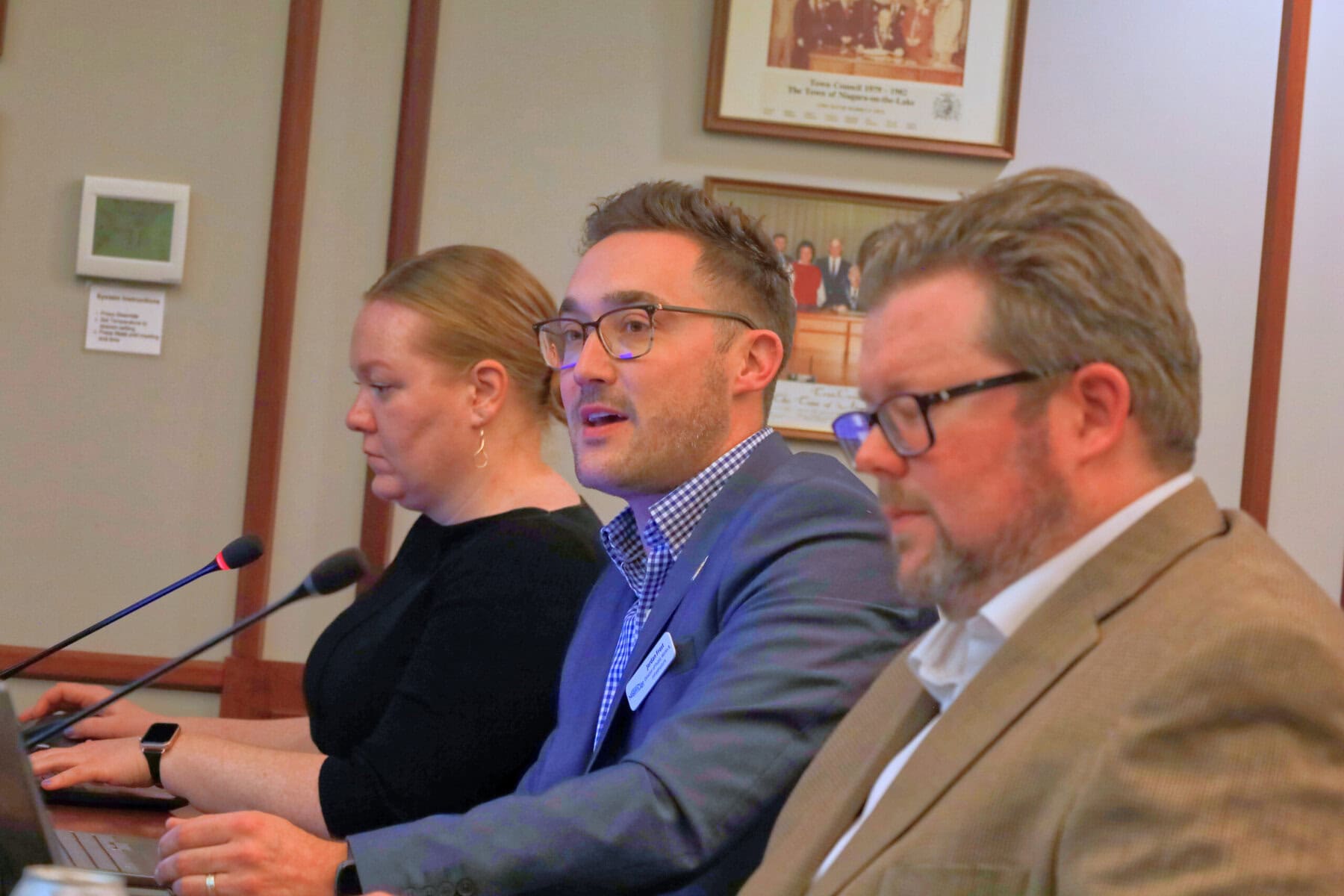
The town’s director of public works and infrastructure, Jordan Frost, said NOTL has “a pretty good water main distribution system.”
“I think about 75 per cent of it is PVC or plastic, which is very good,” he said.
“One of the tops, I’ll say, in the province — in terms of that type of system.”
Wiens also raised concerns about lead pipes, but Frost said the town has largely phased them out.
“We do have one of the most plastic systems, I’ll say.”
Over the past couple decades, the town has spent a “considerable amount of time and resources to remove ductile iron, cast iron and lead water mains,” Frost said.
“I don’t think any lead — but we have a little bit, maybe one per cent, two per cent, of the other types,” he added.
Still, it’s the wastewater system that drew the most concern.
Coun. Sandra O’Connor asked why wastewater increases continue to outpace water.
Staff said the region’s treatment plants are under strain.
“What we’ve seen from Niagara region is a lot of the water treatment plants and wastewater treatment plants have come to a critical state of almost failure, if not failure,” said Frost.
He said regional projects were deferred in the past due to high costs and reserve management, but have now reached a point “where they must be replaced now” to meet legislative requirements.
So because of the region’s costs for “major, major projects at the treatment plants,” the town is “seeing that directly translate into our wastewater rate,” Frost said.
O’Connor asked staff to include updates on the status of recommendations from the 2021 operational audit in future water reports, a request chief administrative officer Nick Ruller agreed to.
Despite the concerns, staff said the town is making progress in closing the infrastructure gap.
“I think that our asset management plan will speak to what the deficit is (and) the upcoming financial strategy will indicate what that will look like on top of the water rates,” said Frost.
“But from my understanding, we’re doing a pretty good job trying to close that (gap).”