


Our friends across the river decided to start a war. At least their boss did. Now we must live with it.
“Crazy times we’re all enduring,” says Kymberley McKee. She, her NOTL realtor colleagues and all the locals buying or selling houses — and trying to lead affordable lives — now have one more fly swimming in the economic soup. It’s a biggie.
Two weeks ago, a barrel of oil fetched $63 (U.S.) on world markets. Sunday night, it rocketed past $100, taking gas prices and inflation with it. If this lasts, forget about any Bank of Canada rate cuts. The next move could be higher, not lower.
Groceries, transportation costs and all the stuff on Amazon — everything’s under pressure, thanks to the American/Israeli assault on Iran, Lebanon and whatever comes next.
We won’t debate the legitimacy of the attack here. Above my pay grade. Let’s just talk about consequences.
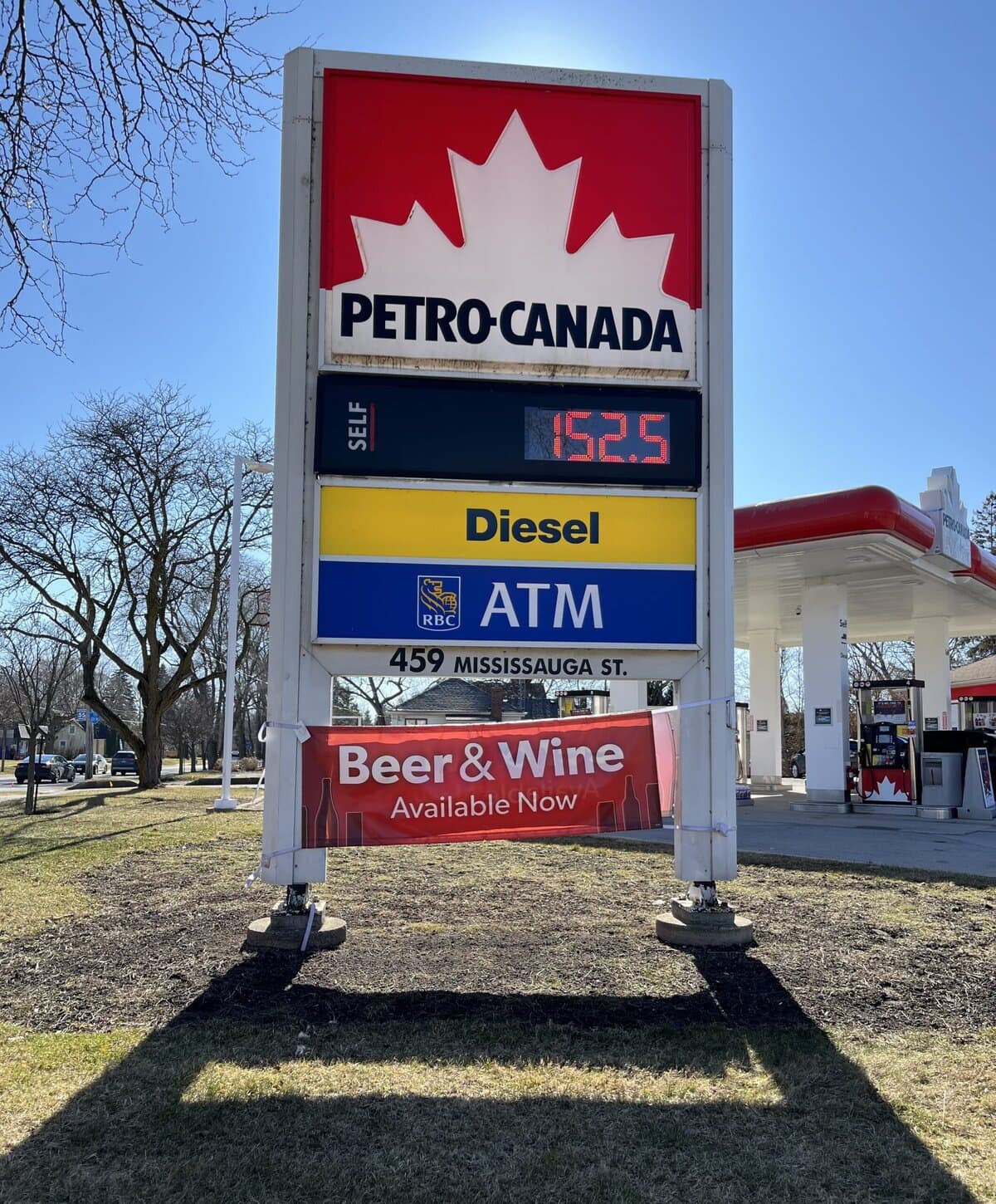
The future’s hard to predict, but not the present. In the first week of the conflict, gasoline jumped about 15 cents a litre. Blueberries and bananas may be next. Airline tickets will pop.
And eventually, everything made with oil — which is pretty much everything, like the plastic on the berries, plus the diesel and jetfuel that got them to the store — will become dearer.
The mental toll came with the first bombs. There was already enough stress flying around — like losing your job to AI, watching the Shaw tear down heritage houses or having Trump rip up our trade deal this summer — without a war. Sheesh. Enough already.
As detailed here over the past year, NOTL real estate is in a tough spot as consumer confidence wavers.
“I doubt there will be a spring housing market (again) this year,” says McKee, of Sotheby’s. “We may see a small bump in sales with better weather, but nothing substantial.”
“The foremost limitation on buyer demand is not just affordability but weak consumer confidence,” she adds. “On average, ongoing Trump trade tensions continue to cause employment uncertainty and increased recession fears. Significant purchases (such as housing) are delayed if not deemed a necessity. Depending on the length of the war between the U.S. and Iran, rising oil prices may eventually trigger inflation causing the banks to increase rates which may weaken housing demands even further.”
Local realtors agree on one thing: pandemic-era prices are not coming back. Given current buyer heebie-jeebies, sellers must be realistic.
“We’ve had continued unrest in our lives for the last six years, so to some extent, the market churn is people moving on with their lives,” says Patrick Burke, of Bosley. “Seniors still move to seniors’ homes. Divorce, job changes, downsize, marriage, restless feet … those moves still happen. What remains to be seen is the loosening of the overall market that results in a return of the out-of-town buyer. We shall see as we get into spring.”
Re/Max agent Greg Sykes calls the market “cautious, but stable” in which buyers rule.
“Markets always pay attention to uncertainty,” he says, “but real estate decisions here are usually driven more by local fundamentals like interest rates, employment and inventory levels. For sellers, the key advice right now is realistic pricing and strong presentation.”
Adds McKee: “In general, sellers can expect longer days on market, conditional offers and negotiation.”
And when it comes to those days-on-market, seems a lot of NOTLers with properties to sell don’t get it. Particularly with a war nation across the river.
“Statistically, we’re seeing a definite polarity in the market,” says Burke. “Either properties are priced and presented accurately and are selling within a month or, they’re priced too high and are languishing on the market.”
Indeed, fully half of the last 100 sales in NOTL took an average of 190 days to sell (a huge number) and ended up suffering a 20 per cent haircut on price. “That means their initial strategy was well off the market,” according to Burke. “Buyers saw those listings but kept shopping until the price was at a number that made sense.”
And that number just went down.
Garth Turner is a NOTL resident, journalist, author, wealth manager and former federal MP and minister. garth@garth.ca