


“The A word” is back in the spotlight.
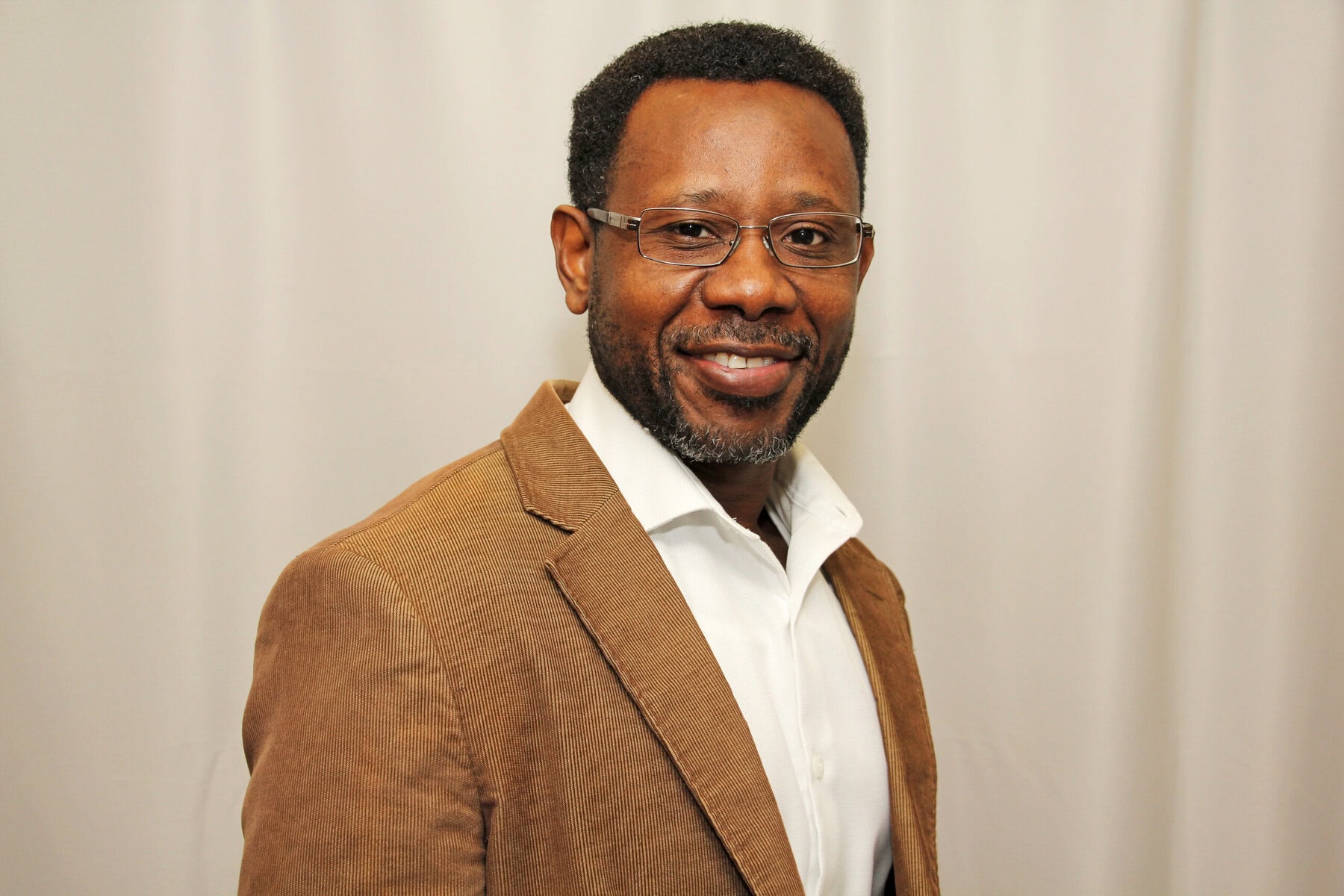
That’s Brock University professor Charles Conteh’s euphemism of choice for amalgamation, a phrase that has taken over headlines in Niagara this past week as the regional government’s chair ignites efforts to make this move a reality for Niagara.
Conteh, who teaches public policy at Brock, says he’s doubtful merging Niagara’s cities and towns together will, as regional chair Bob Gale has said, lower costs and make governance more efficient.
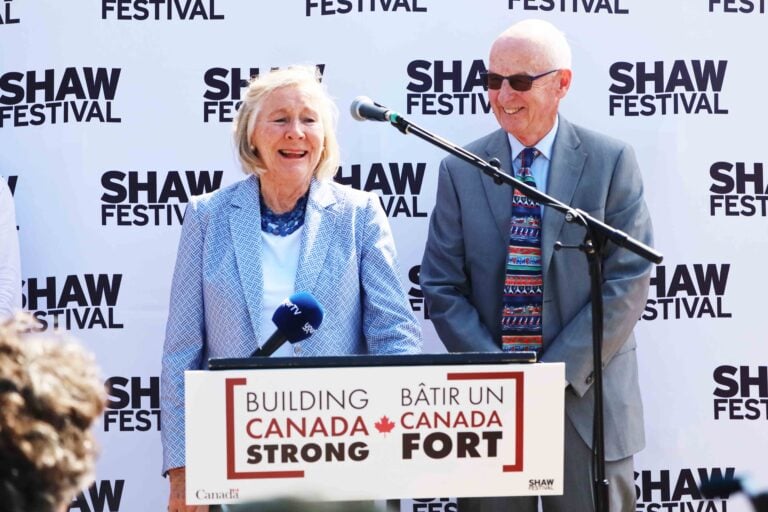
Gale is pushing to bring the 12 municipalities of Niagara together into one city, or combine some of them to form four cities total in the region. His push saw him appear before Niagara-on-the-Lake council this past Tuesday to argue his position and face questions and concerns from councillors.
In his letter to Niagara’s mayors, received by them Feb. 19, Gale raises the idea of creating either one city of Niagara or four.
A four-city model could include an east Niagara city combining NOTL, Niagara Falls and Fort Erie.
Conteh, however, said he’s skeptical of the idea.
“I don’t quite know, in the context of Niagara, how amalgamation would really resolve any substantial concrete issues at all,” he said.
Amalgamation took place in Ontario under the Progressive Conservative Party of Ontario government led by Mike Harris in the late 1990s and early 2000s. The province merged smaller municipalities into larger cities such as Toronto, Hamilton and Ottawa.
Supporters argued the mergers would lower the cost of public services and save money by reducing administrative duplication.
Conteh said the evidence does not support that claim.
“We haven’t seen in the academic literature, at least within the context of Ontario, of any major cost savings at all,” he said.
He noted that some services delivered by a larger entity — such as public health and solid waste management — can produce savings. Others, including firefighting and parks, do not.
Conteh said intermunicipal co-operation offers a better solution than amalgamation. He added that too much of the debate focuses on dollars and cents instead of broader economic considerations.
“There is an economic development argument for amalgamation,” he said. “Now, I don’t hear chair Gale talking about that. I hear him talking about efficiencies, and I worry that things are being conflated.”
Amalgamation can also reduce representation, Conteh said. A town such as Niagara-on-the-Lake could go from a mayor and eight councillors to fewer representatives within a larger municipality.
“You could lose representation, you could lose identity,” he said. “And representation is major, right? Because with identity comes with a desire for voice, for being able to shape your own destiny.”
Conteh also said he views Gale’s proposal as the latest sign of long-standing tensions within Niagara Region.
He pointed to divisions that predate the region’s creation in 1970, particularly between north and south Niagara. He cited the economic shift from what was then Welland County to Lincoln County, and from Welland to St. Catharines.
He also addressed NOTL directly.
“NOTL is not that excited about a fusion with Niagara Falls,” Conteh said, adding that as tourism expanded in Niagara Falls, Niagara-on-the-Lake felt pulled into its orbit, creating new tensions.
He said amalgamated cities can be harder to govern because of differing local histories and priorities. A single-city model, he added, would pose particular challenges.
“Do you expect to see a united Niagara?” he said. “Think again.”