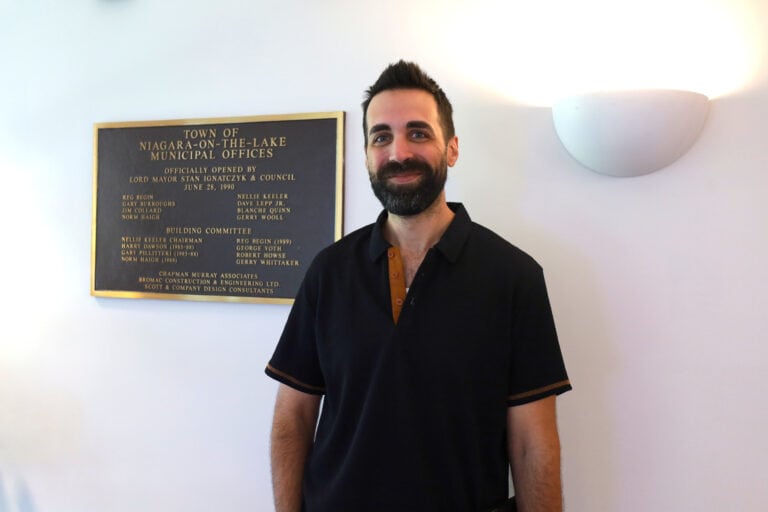

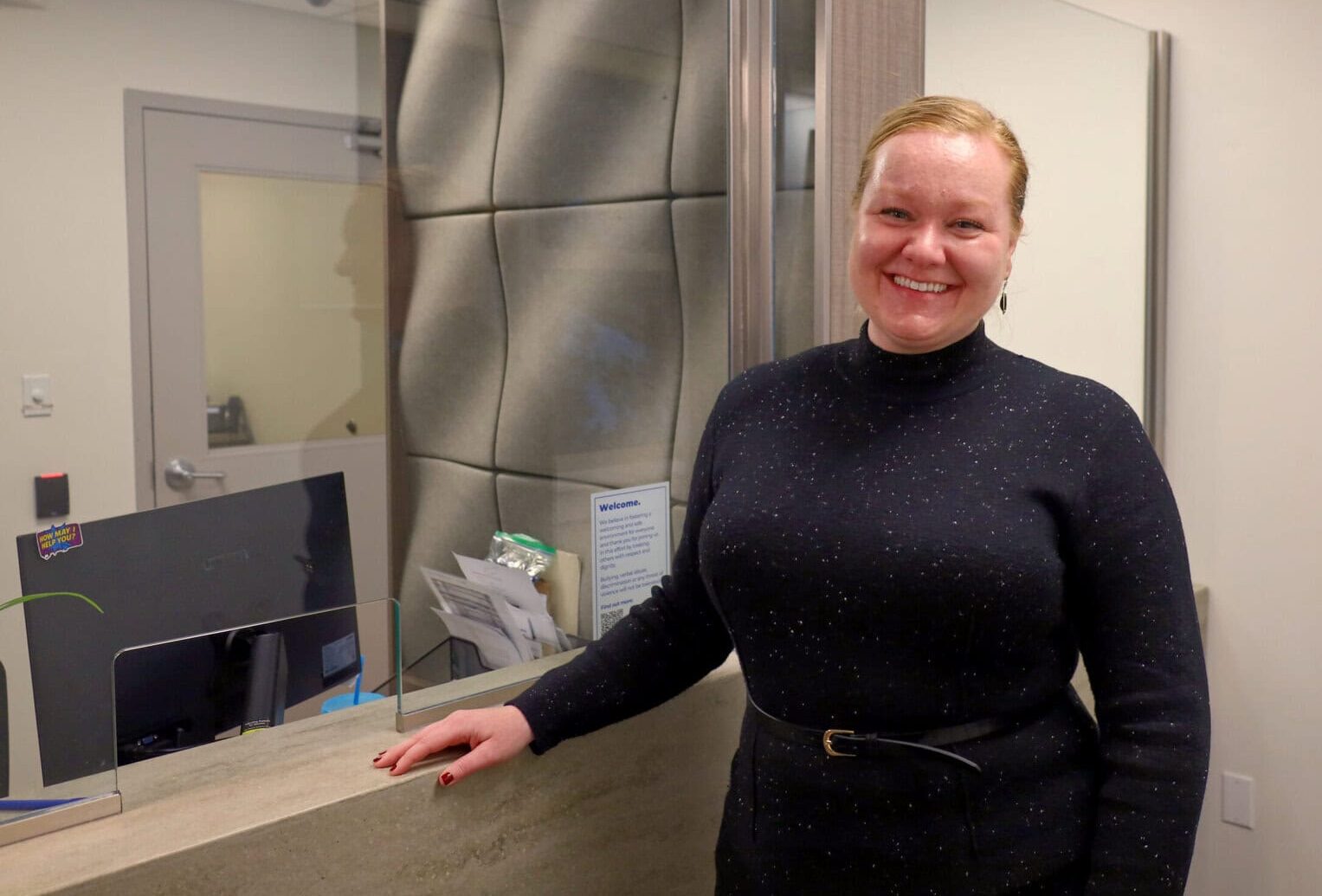


The town’s new planning director is entering into her role at a time when she says planning for developments in Ontario, including Niagara-on-the-Lake, is becoming more complex.
“As we have less land for development, things continue to be a little bit more difficult, maybe a bit more contentious,” said Aimee Alderman. “We need more studies to support new developments.”
However, she says, the changing nature of planning is also an opportunity to learn and adapt.
As Alderman becomes the director of planning, building and development services this winter, she said her focus is on informing residents about how provincial rules influence planning decisions and how public input helps shape the outcome.
“We really appreciate all of the public interest in our planning applications,” Alderman said. “It shows that we have a very engaged community.”
Alderman said she is also focused on finding ways to improve the department’s work while maintaining a consistent experience for residents when dealing with staff.
“I do have experience working on a range of development files,” she said, from “more simple consents and minor variances” to “more contentious files that draw more public scrutiny and more public interest.”
Before joining the town, Alderman worked at Niagara Region, reviewing planning proposals across all 12 municipalities. She later served as NOTL’s manager of development planning for about two years, beginning in the spring of 2024, after working for about a year as its senior planner — work she said helped prepare her for the position she has now.
“Everybody here at the town is extremely supportive,” she said.
Alderman said finding a balance between growth and protecting heritage and the environment is a challenge cities and towns across Ontario are facing, but noted NOTL is unique because of the scale and concentration of its heritage buildings and other assets.
“We want to manage growth, but we also want to guide it in a way that strengthens the character of this community,” she said, while protecting heritage and environmental assets for the long term.
Staff must follow provincial planning law and applicable policies when dealing with proposals, but town staff, outside agencies (such as consultants) and the public also shape recommendations.
“We consider all comments evenly,” she said, noting that feedback can lead to “meaningful changes to applications.”
Alderman said improving communication is particularly important in light of recent provincial changes and the downloading of regional planning responsibilities, adding new planning duties for local municipalities.
The Ontario government’s new provincial planning statement came into effect on Oct. 20, 2024.
“We deal with new announcements about planning on a regular basis,” she said. “So, we are reacting.”
“I think that we can continue to communicate and educate the public on what those changes have been — and how that impacts how we do planning at a local level.”
Alderman said the department communicates clearly by explaining the rationale behind planning reports to council and the public, co-ordinating with other departments, being present at public meetings and open houses and sharing information online.
“That’s something that we’re looking to continue — and actually increase — our presence online,” she said.
Looking ahead, Alderman said success would mean a department recognized for strong technical work, transparency and responsiveness — and a community that feels more confident navigating the planning process.
“Something that I am looking to commit to, or am committing to, is increased public education.”
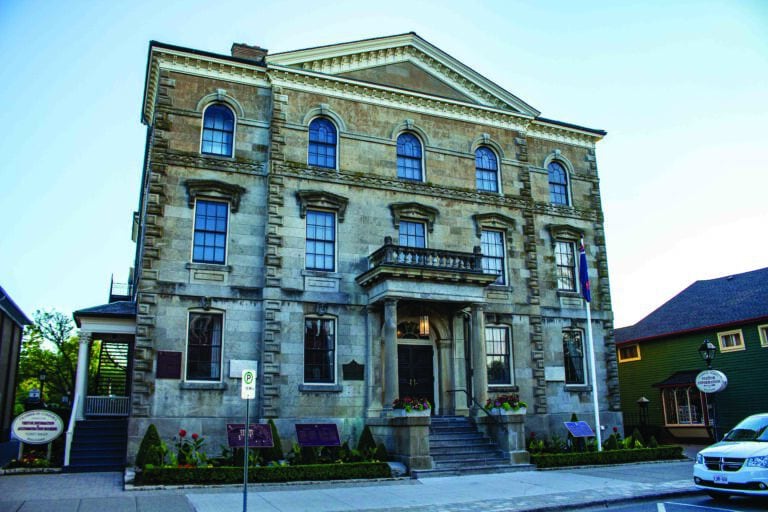
Alderman said residents with questions about ongoing applications can contact planning staff by calling 905-468-3266 or visiting town hall at 1593 Four Mile Creek Rd.