


The Town of Niagara-on-the-Lake is currently not spending enough to maintain its roads, pipes and other municipal infrastructure, with a new plan identifying that the town is $13 million short on funding annually.
The draft 2024 asset management plan, presented to council at a Jan. 13 workshop, estimates the town would need to spend about $22.3 million a year to maintain infrastructure at current service levels but is currently funding about $9.2 million annually.
The plan also puts the replacement value of the town’s municipal infrastructure at about $1.07 billion — a measure of what it would cost to rebuild roads, pipes, buildings and other assets today.
It outlines the town’s inventory of infrastructure, asset condition and lifecycle costs, providing a framework to support long-term planning.
The plan does not approve any tax or rate increases, but is intended to inform future budget discussions and investment decisions.
In an email, town communications co-ordinator Marah Minor said the town’s last asset management plan was completed in 2015.
“Since then, the town has continued to advance its asset management practices,” Minor said, adding that an asset management co-ordinator was hired to support the updated plan and ensure asset data remains “current, accurate and aligned with long-term infrastructure planning and service delivery.”
The presentation was delivered by asset management adviser Marisa Banuelos-Spencer of PSD Citywide Inc., who said the town’s situation is not unusual.
“Municipalities across the province are generally, for the most part, in a similar struggle,” she said.
The plan is based on close to 32,000 individual assets, including roads, bridges, water and wastewater systems, stormwater infrastructure, buildings, vehicles and equipment. As of the end of 2024, 79 per cent of assets were rated in fair condition or better.
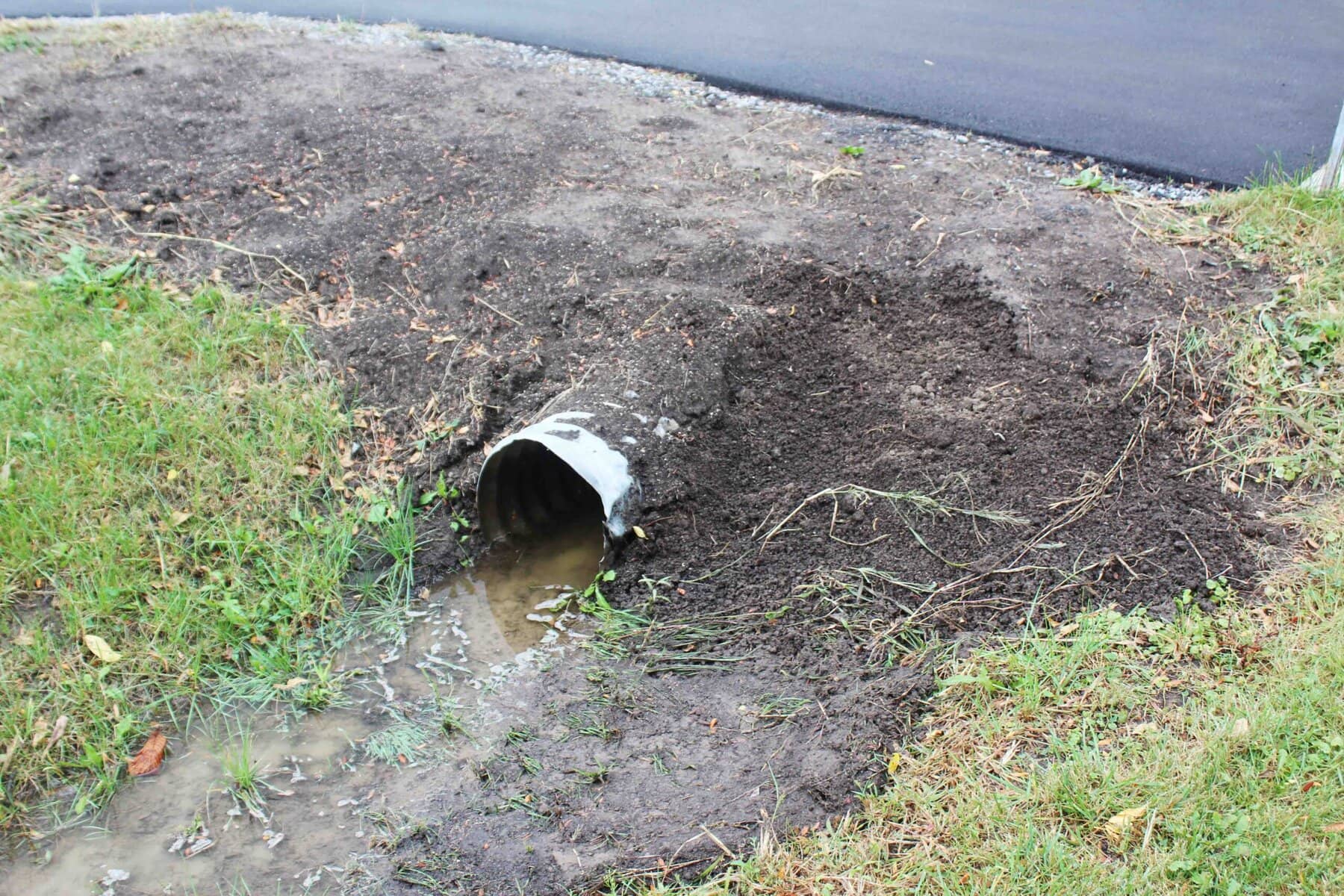
The funding gap, the plan notes, is driven by a combination of aging infrastructure, rising construction costs, lower-than-required reinvestment levels and climate-related impacts that are accelerating deterioration — particularly for roads and stormwater systems.
Coun. Gary Burroughs raised concerns about gaps in asset condition assessments, particularly related to stormwater infrastructure, and questioned whether recent road deterioration caused by harsh winter conditions is fully reflected in the data.
“We’re having stormwater issues throughout the municipality,” he said. “So that doesn’t show up in this kind of study.”
Banuelos-Spencer said asset conditions are projected forward using deterioration curves, which estimate how infrastructure declines over time based on the most recent inspections.
She said portions of the stormwater network have been assessed using closed-circuit television inspections, with coverage expanding annually as part of ongoing asset management requirements.
She said the issues Burroughs raised may relate more to system capacity than asset condition, which would require separate design work to identify.
Town staff acknowledged some increased road deterioration this winter but said affected roads were already identified for replacement or resurfacing in coming years, consistent with condition assessments.
Burroughs also pushed back on a recommendation directing staff to use the plan’s suggested funding increases as guidance for future budgets.
“We haven’t got the information from other municipalities yet,” he said, noting that municipalities across Ontario are preparing asset management plans under the same provincial requirements.
“There’s over 400 municipalities in Ontario that are all doing the same thing. Do we have a comparison of their status?” he asked.
Banuelos-Spencer said no province-wide comparison is publicly available, but based on her experience working with municipalities across Ontario, NOTL’s position is not atypical.
Coun. Sandra O’Connor also called for broader context as council reviewed the draft plan, saying comparisons with similar municipalities would help guide future decision-making and could be explored in future phases of the plan.
Banuelos-Spencer said those questions would be addressed in a future phase of the plan.
O’Connor also stressed the importance of clarity around what council would — and would not — be approving.
“I want to make sure that if we do approve this, that we are not tying ourselves into a specific increase of percentages,” she said.
Staff confirmed the funding figures outlined in the plan are recommended in principle only and would still require council approval through next year’s budget.
O’Connor further noted that infrastructure funding pressures are not unique to NOTL but are being felt by municipalities across the province and country and said it would be helpful for that context to be acknowledged in the plan.
Banuelos-Spencer agreed and said that context will be considered going forward: “This is a challenge across the country,” she said.
O’Connor also asked how leased vehicles are treated in the plan and said future asset planning should consider natural assets not currently captured. Banuelos-Spencer said the plan includes only vehicles owned by the municipality, not leased ones.