
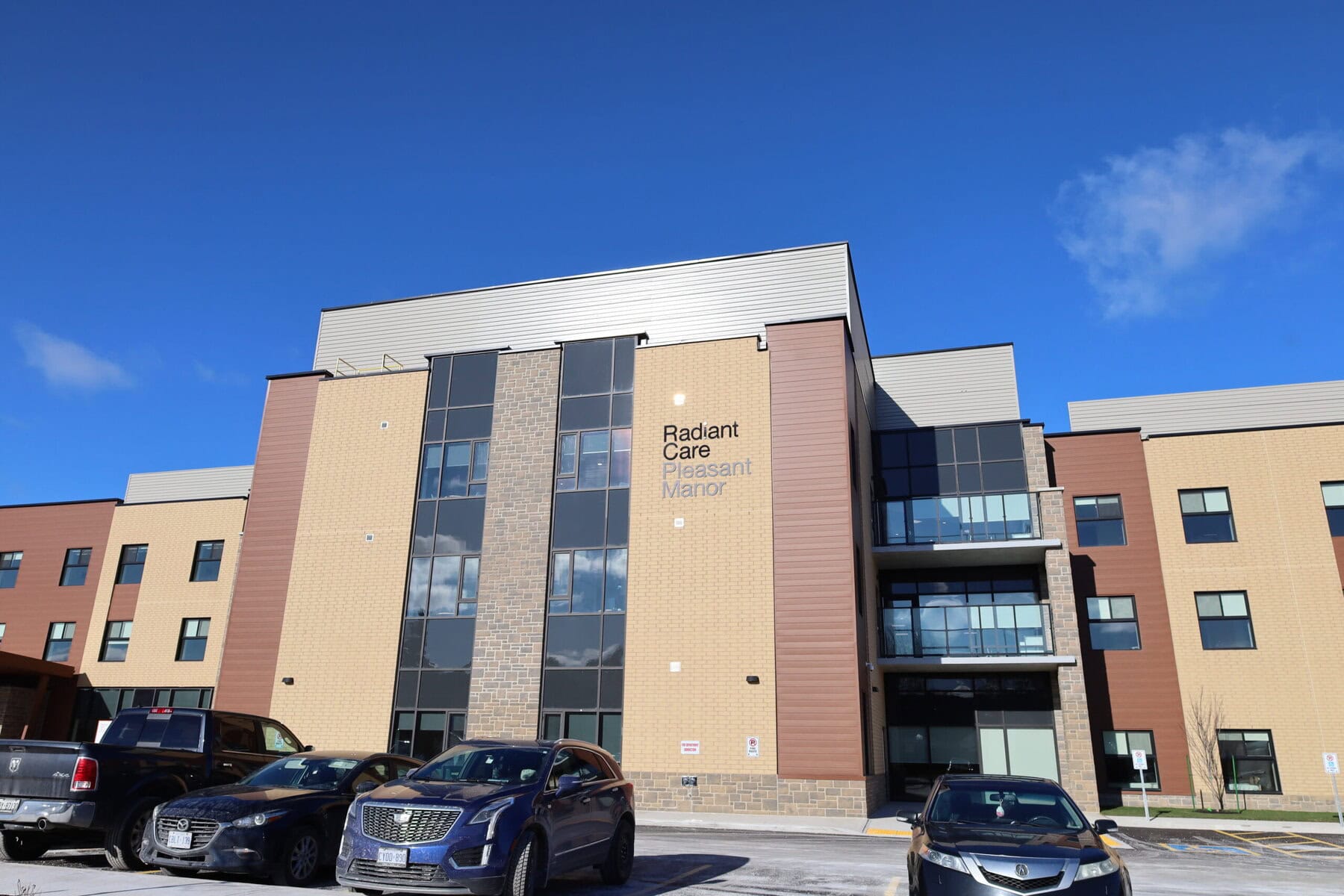


Virgil’s long-term care home has wrapped up a $70.5-million redevelopment that has added 119 new beds to the facility. Current residents are expected to move into their new homes next week.
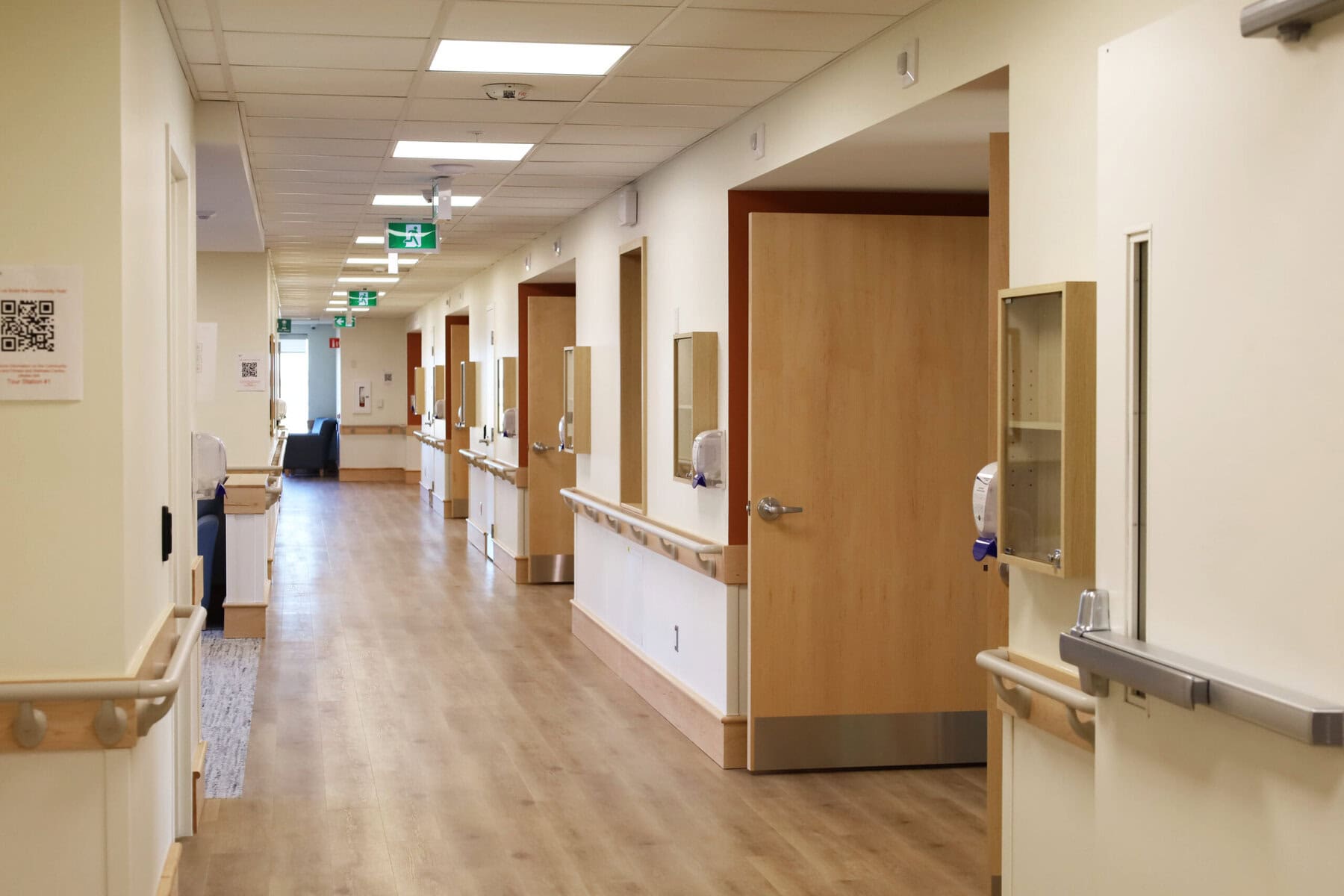
Radiant Care Pleasant Manor’s new three-storey building includes 160 beds, organized into five resident home areas of 32 residents each, with each area divided into two 16-resident pods. Radiant Care chief executive officer Tim Siemens said the pods help create smaller, more intimate living spaces.
The Ministry of Long-Term Care approved the expanded retirement home for occupancy on Dec. 16. Existing residents will move into their new rooms on Dec. 22.
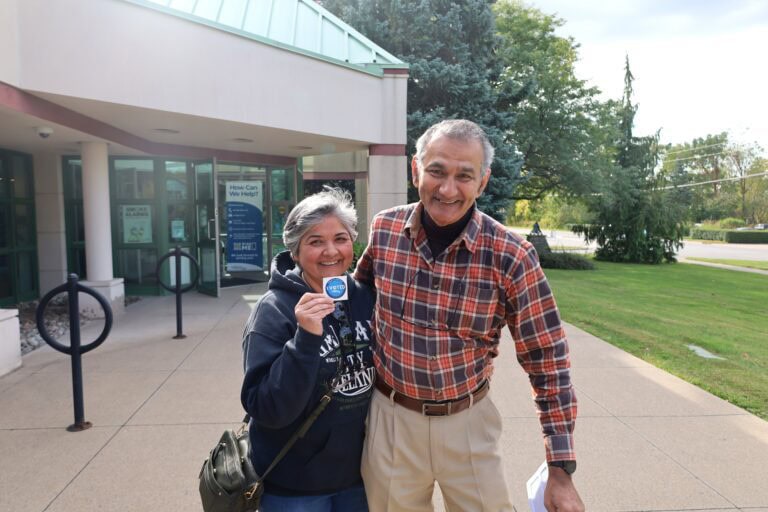
A Niagara-on-the-Lake resident, who toured the new home during a Dec. 12 open house, said she was impressed by that pod-style design — but had some reservations about the bedrooms.
“I have an aging mom,” said Lidija Biro. “Perhaps, in the future, she will end up there.”
The province is supporting the project through long-term care construction funding, Siemens said, including upfront assistance and long-term subsidies per resident paid over time upon opening.
The first 41 residents moving from the existing home chose their rooms after being shown floor plans and photos during construction.
The remaining 119 beds will be allocated through the provincial placement service, Ontario Health atHome, where prospective residents can apply.
Siemens said the home “should be fully occupied” by February or early March: “We want to pace it.”
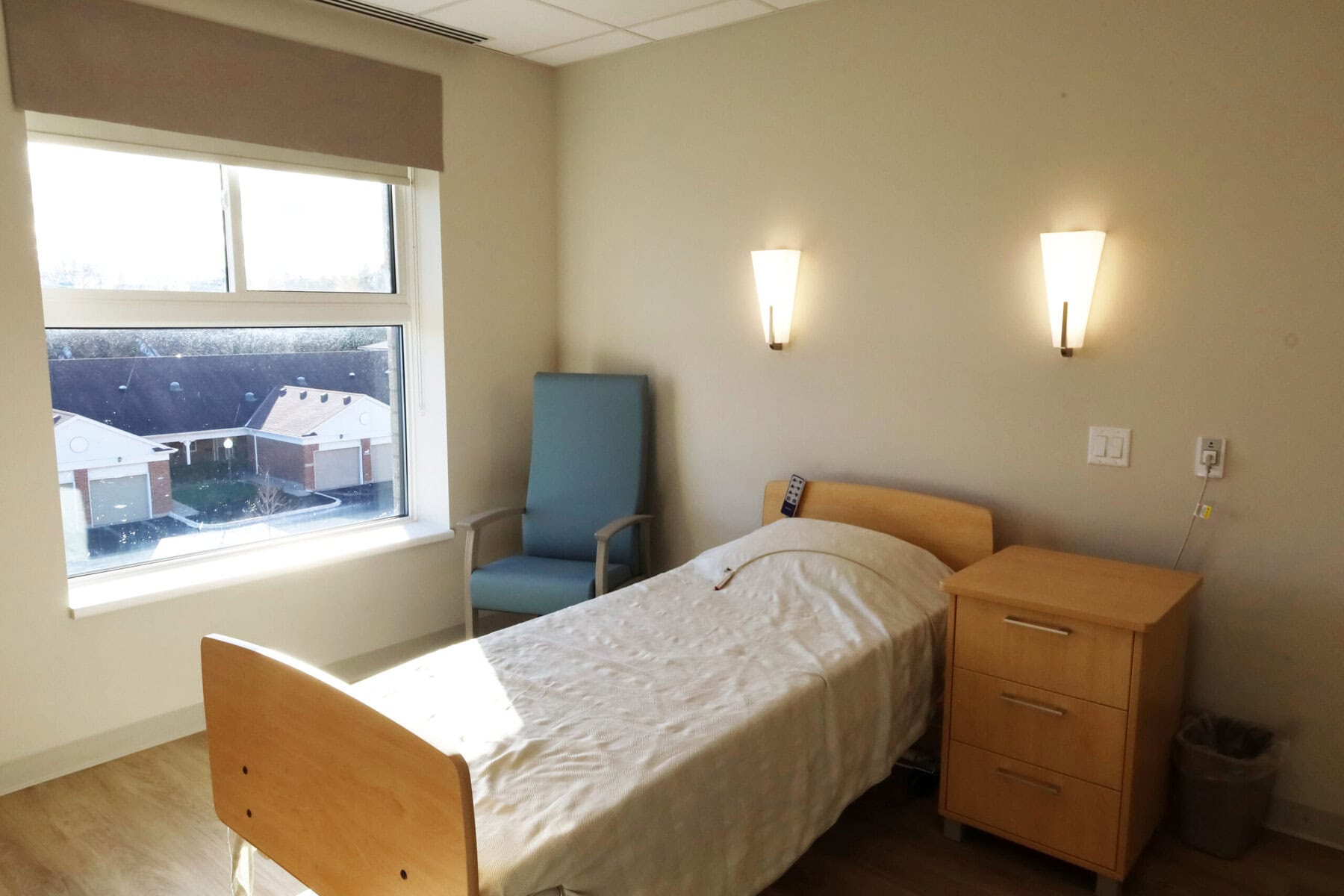
Biro said she “was a little disappointed” with both the private and shared rooms.
“They look a little too institutional,” she said, likening them to “what you might expect to see, you know, in a hospital.”
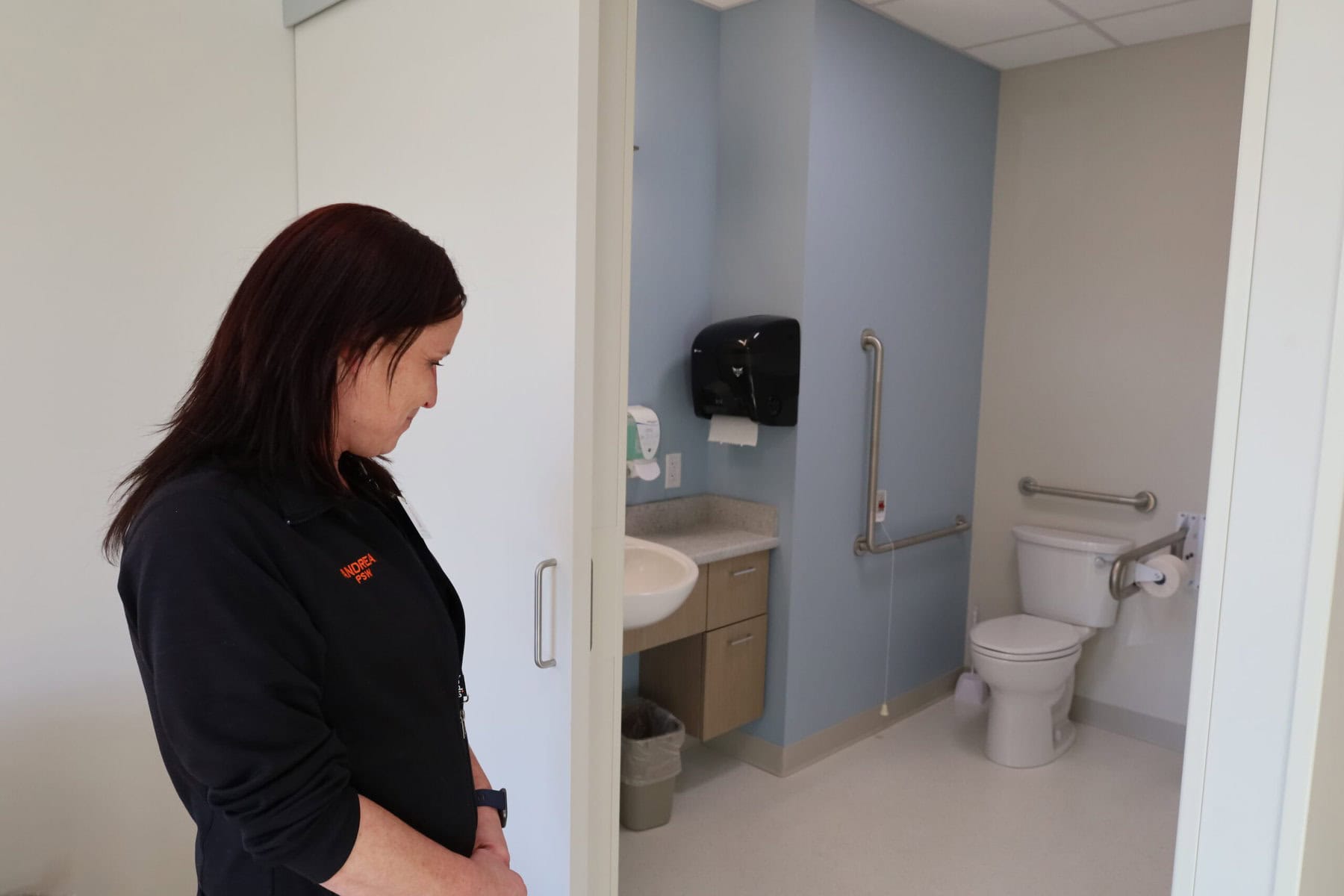
Pleasant Manor personal support worker Andrea McQuay said the rooms follow provincial safety and accessibility standards and are designed to support residents’ independence and care needs, while also maximizing natural light.
“They’re nice and bright,” said McQuay about the rooms. “And airy.”
McQuay said private accommodations cost about $3,000 a month, compared with about $2,085 for basic rooms, with rate reductions available for eligible residents in basic rooms.
Basic accommodations consist of single-bed rooms separated by solid walls, with two rooms sharing a vestibule and bathroom, and each room utilizing a curtain at the entrance to the sleeping area. Private rooms have their own door, vestibule and enclosed bathroom.
McQuay said the use of solid walls between basic rooms — instead of curtains, as in the old building — makes a significant difference in terms of privacy.
“The feeling of being in the basic rooms — it feels like private,” she said, “because of that wall.”
Siemens also highlighted the home’s Montessori-based approach to dementia care, which draws on residents’ life histories, interests and past roles to guide activities and daily interactions.
Drew Bellefeuille, a registered practical nurse, said staff consider residents’ life histories when assigning rooms — for example, placing someone with a background in agriculture, trades or outdoor work in a room overlooking Penner’s Home Hardware.
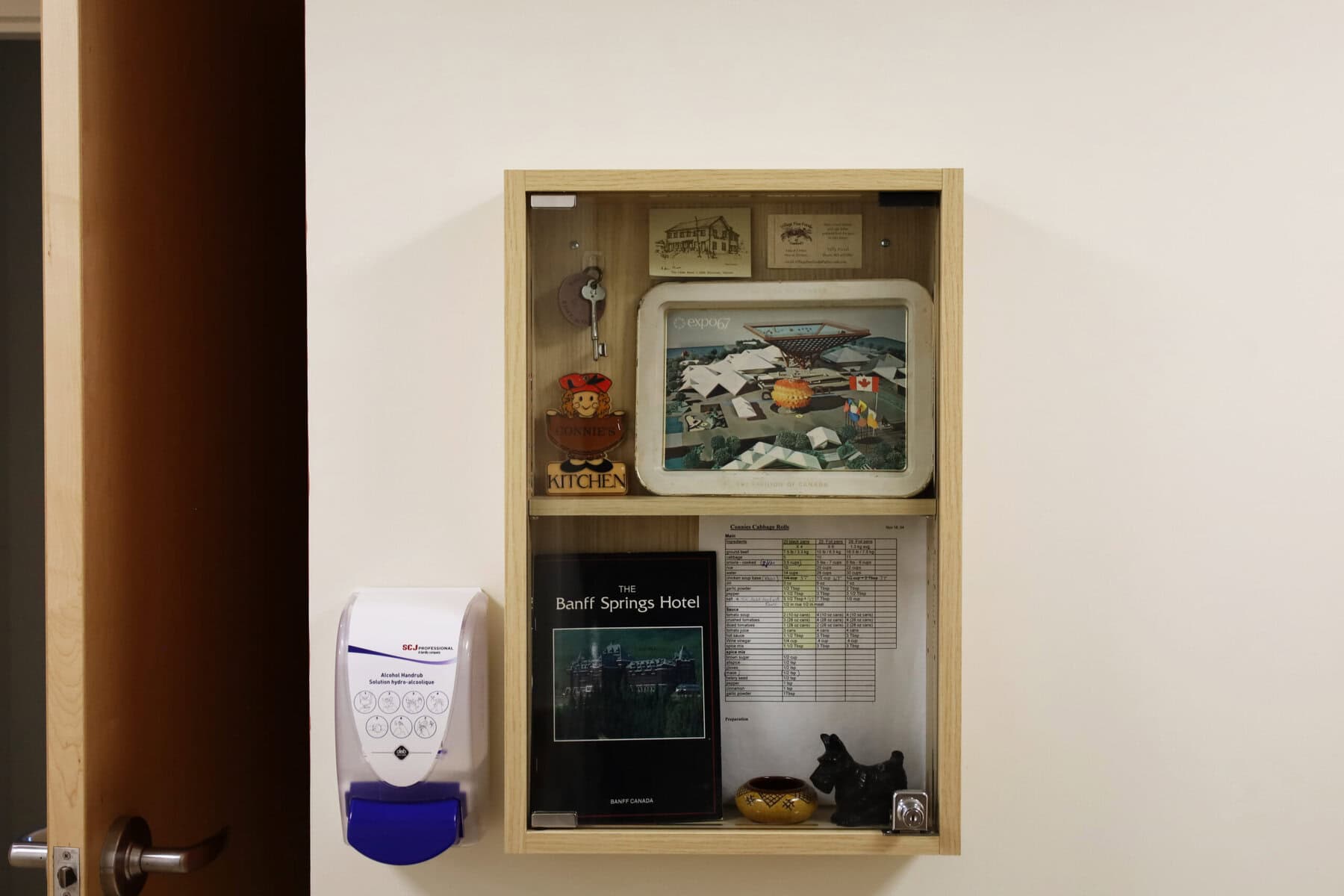
Siemens pointed to memory boxes outside residents’ rooms as another example of how that approach is put into practice.
“We encourage the family and the residents to populate that space,” he said, “to tell the story of who the person is or was.”
One resident, who previously ran a catering business, chose to display her cabbage roll recipe.
“They were famous for their cabbage rolls,” said Bellefeuille.
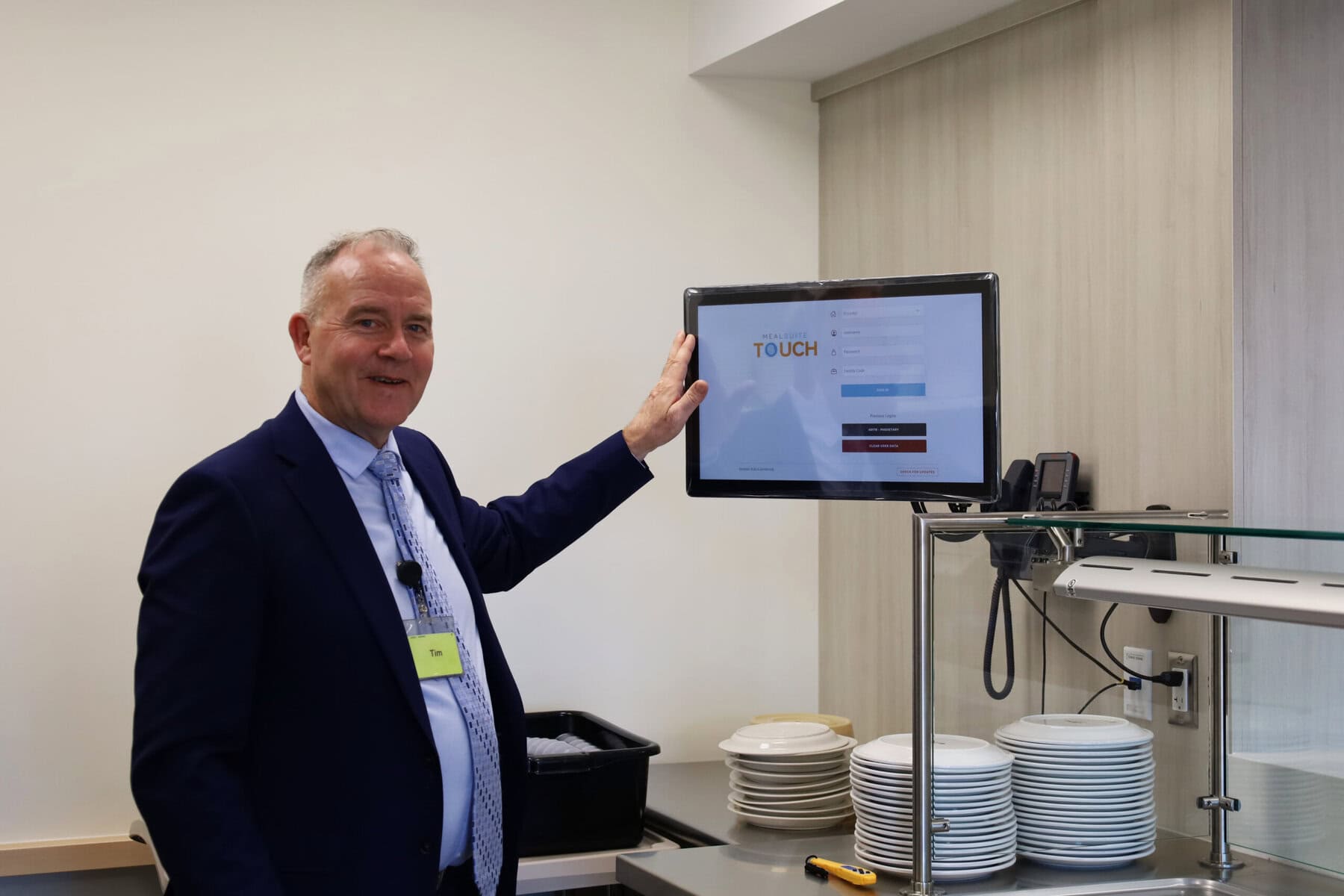
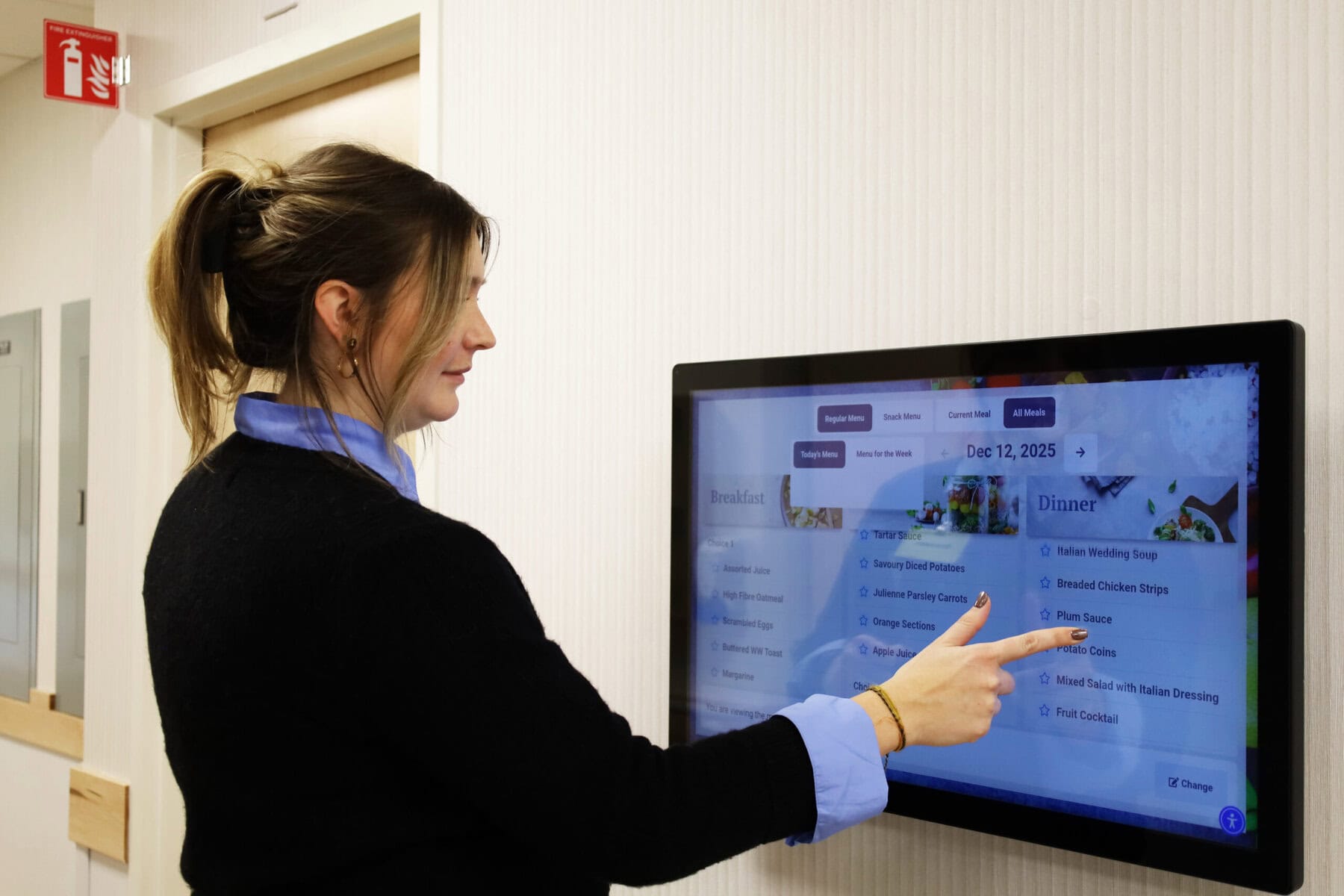
Administrator of long-term care Bronwen Hadfield said the new home uses a digital meal-planning system that tracks residents’ dietary needs, preferences and allergies in real time.
“The goal is to go paperless,” said Hadfield.
It connects directly to the kitchen and to interactive menu boards, which are on each unit and display daily and weekly menus reflecting dietary requirements and menu changes.
“So say they were a minced texture — the menu will pop up to see what they get,” she said.
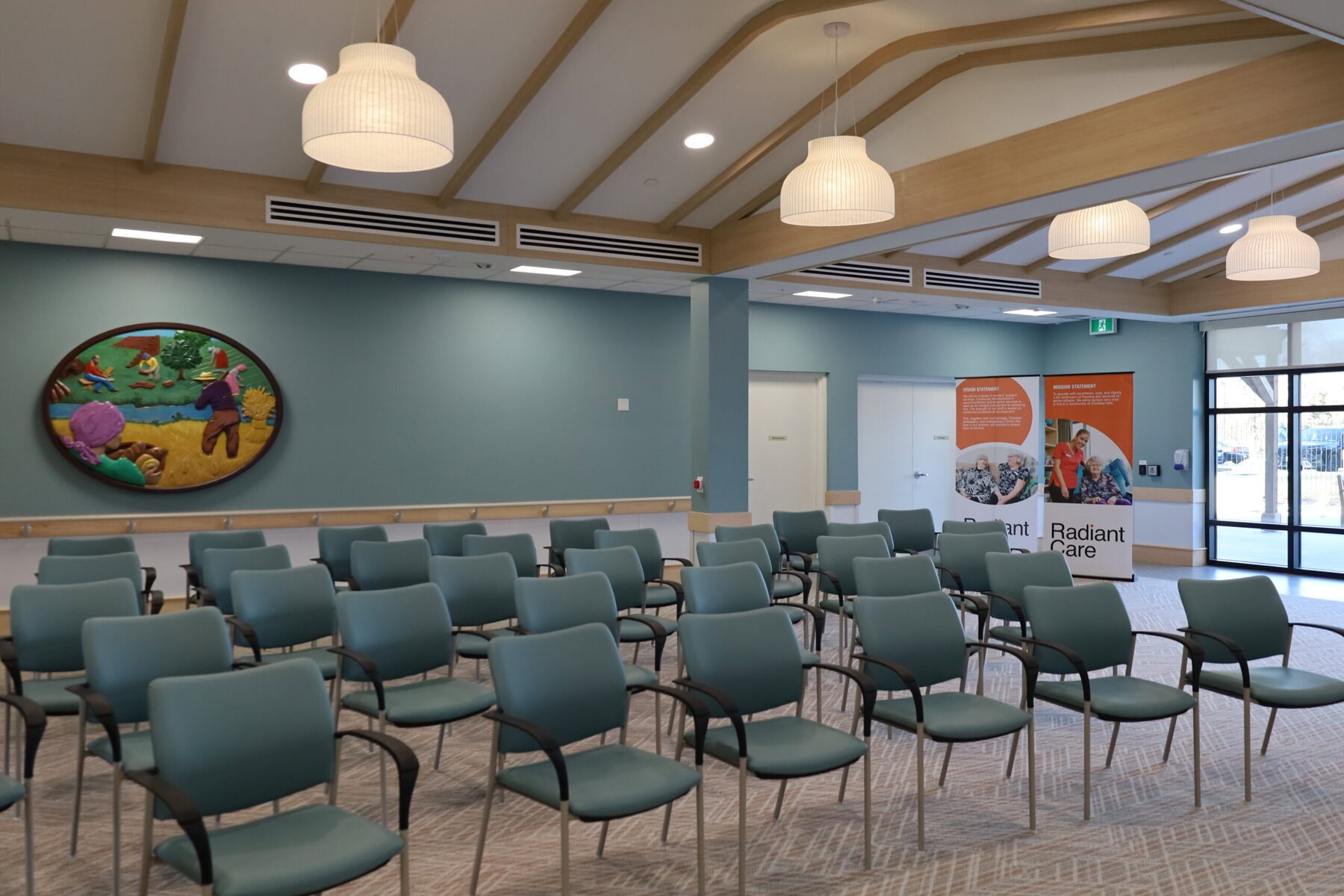
While provincial standards require space for spiritual care, Pleasant Manor also includes a larger great room beside the chapel to accommodate group worship and special programs, Siemens said.
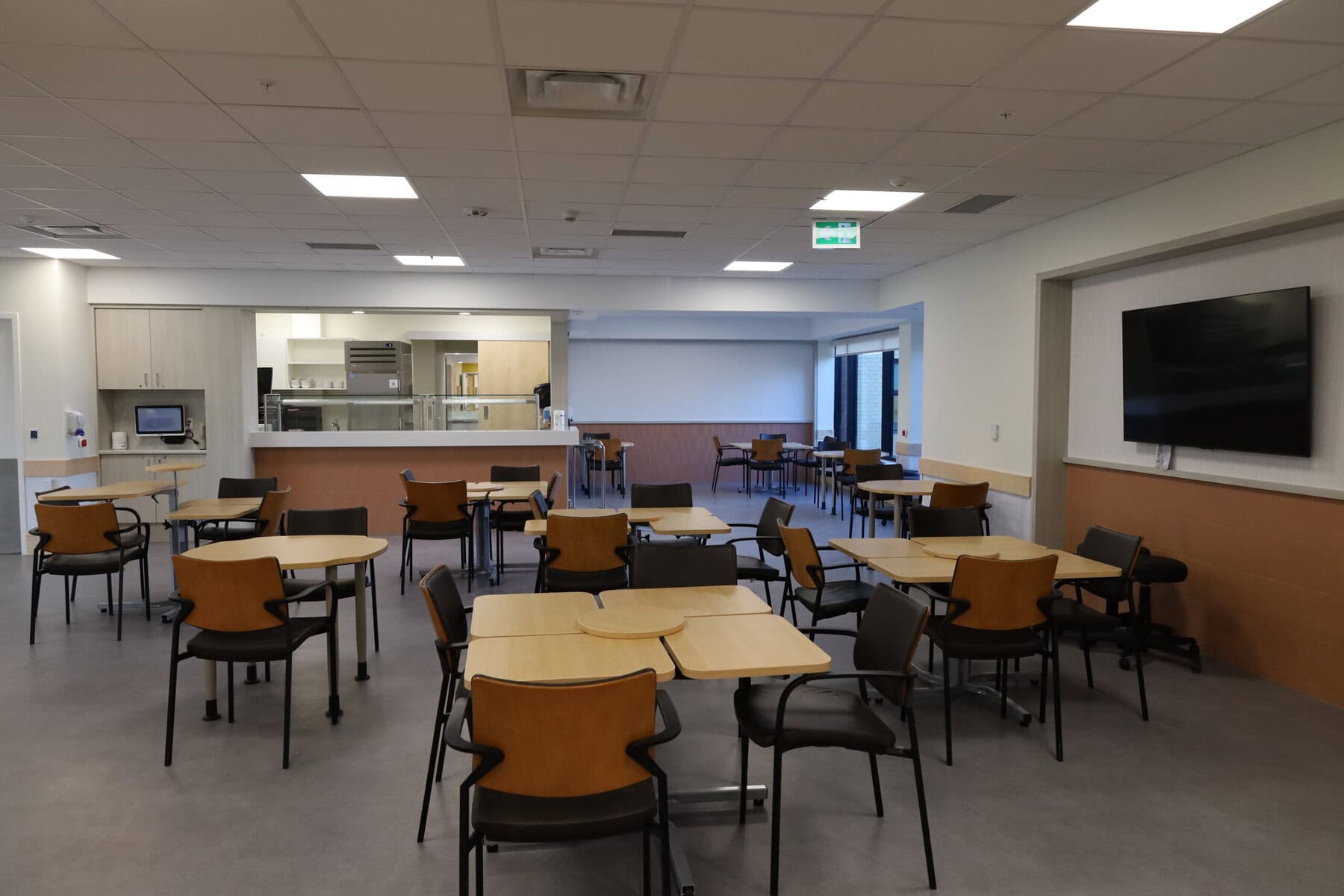
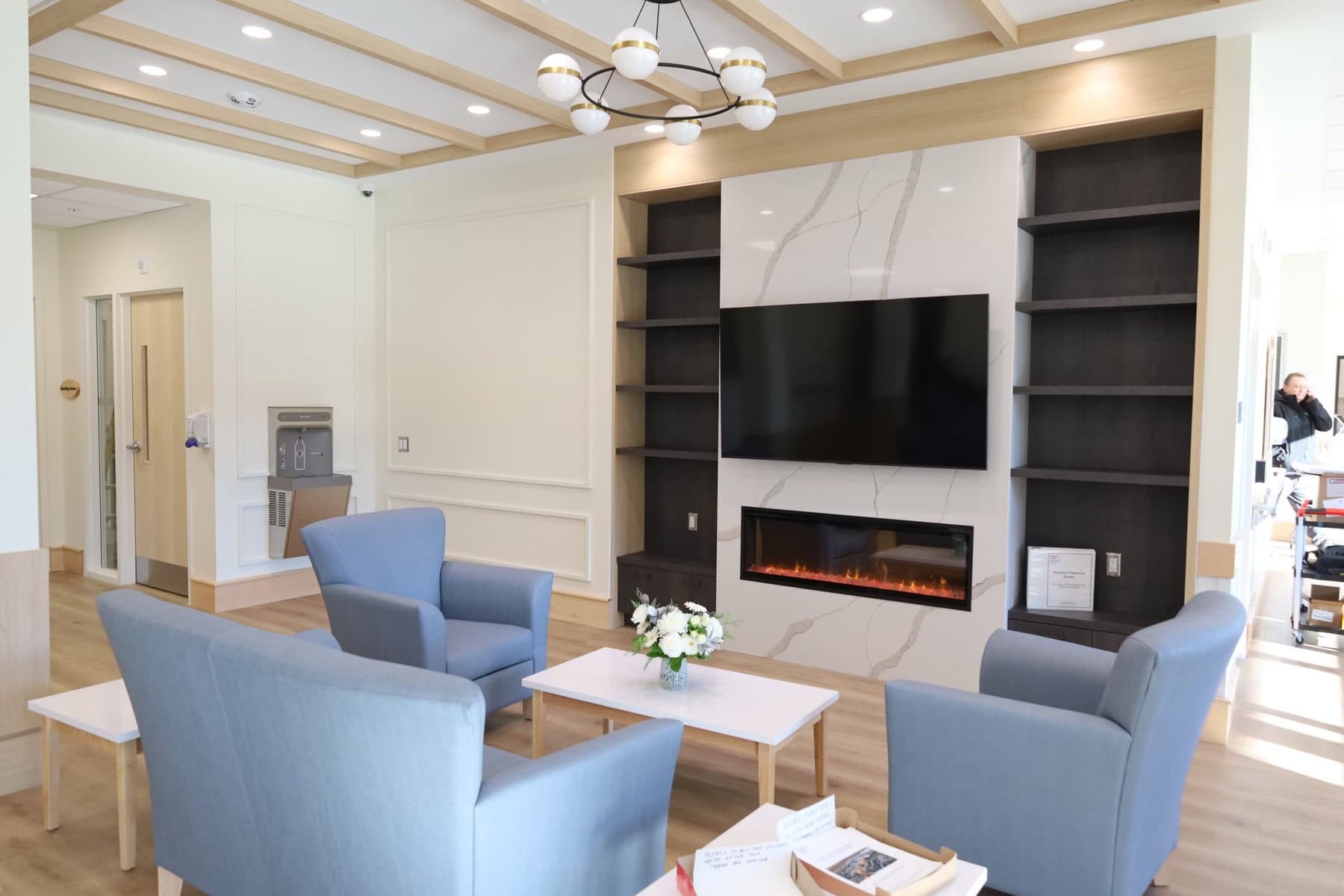
Other amenities include dining and gathering areas, bath and shower facilities on each floor and a hair salon.
Staff have dedicated spaces to rest and recharge, with five staff rooms and one main staff lounge, said Hilary Leveille, housing and capital works co-ordinator.
“We can have massage chairs, tables and chairs and lockers right on the floor that the staff are providing care to the residents,” she said.
Siemens said all of the roughly 20,000 square feet of the former long-term care home will be repurposed into a community hub, including a fitness and wellness centre and a proposed on-site daycare, under a plan approved by the Radiant Care board.
The Virgil Business Association has earmarked $50,000 it raised to help purchase exercise equipment for the project.
He said the new spot will “impact the broader community of seniors” living in NOTL.
Biro said the plans for the former home are “fantastic ideas” and some European senior residences include on-site daycares to foster interaction between seniors and children.
“I think that may be, kind of a goal, for why they’re doing it,” she said.
“I hope it is,” added Biro. “Little kids need, you know, grandparent models. And seniors need to see little kids running around.”