


Stories of war, migration and peach orchards took centre stage as the Niagara-on-the-Lake Museum launched its Mennonites of Niagara oral history project Saturday, tying decades of Virgil history to its planned $10 million expansion.
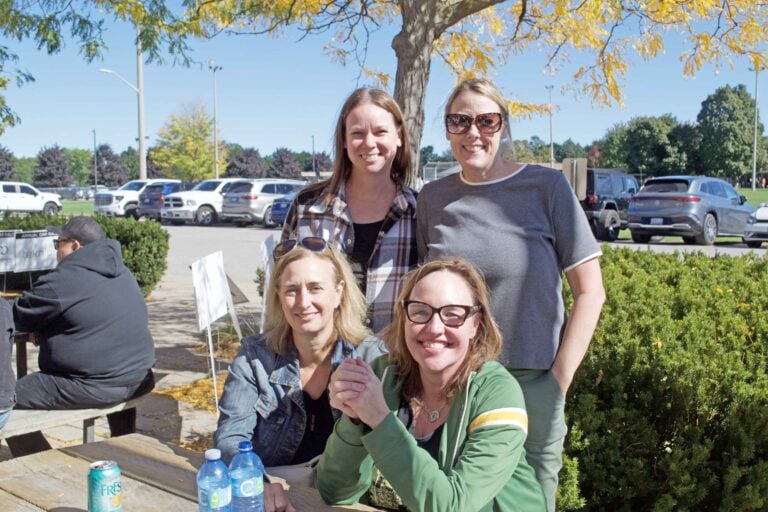
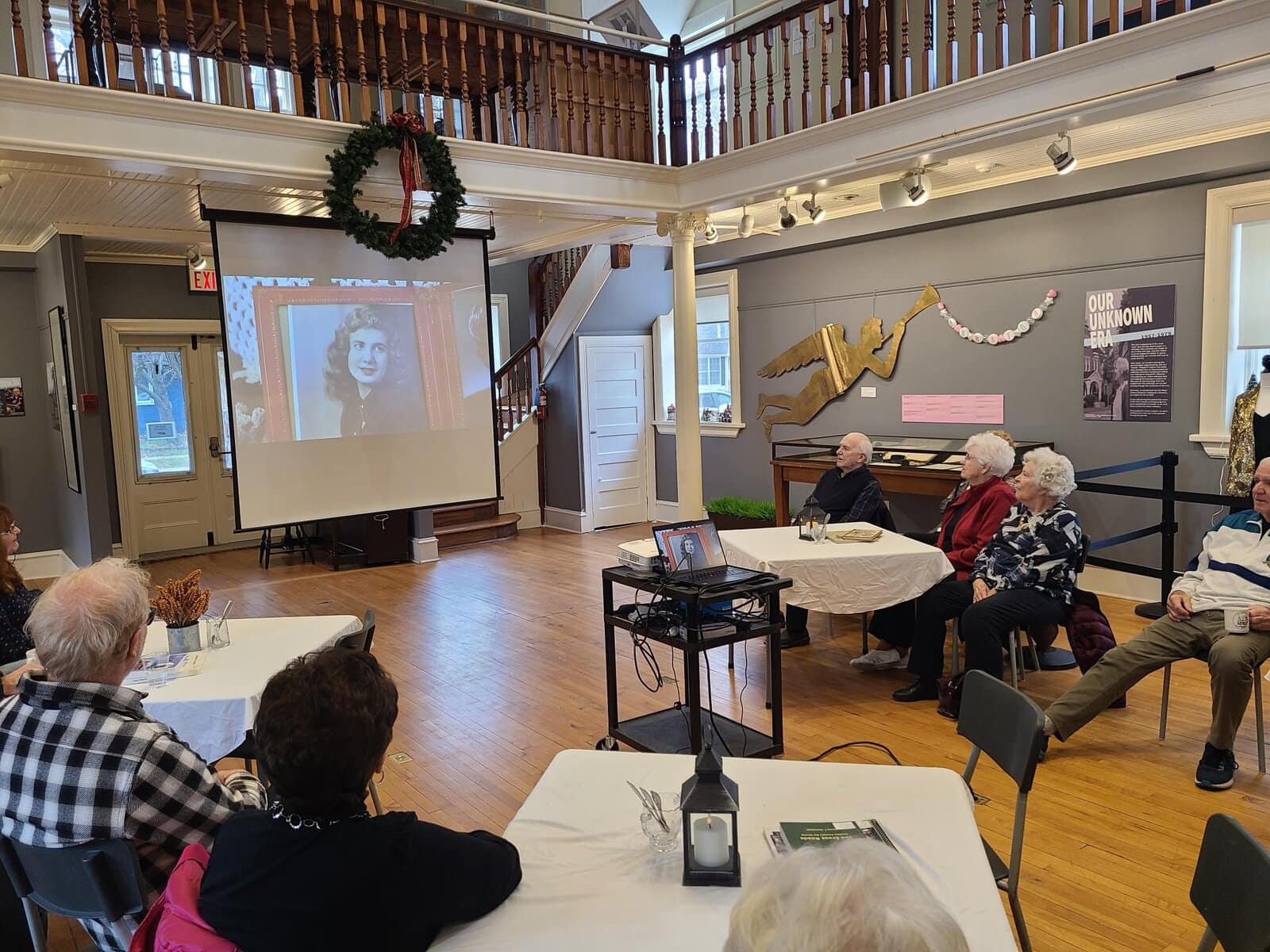
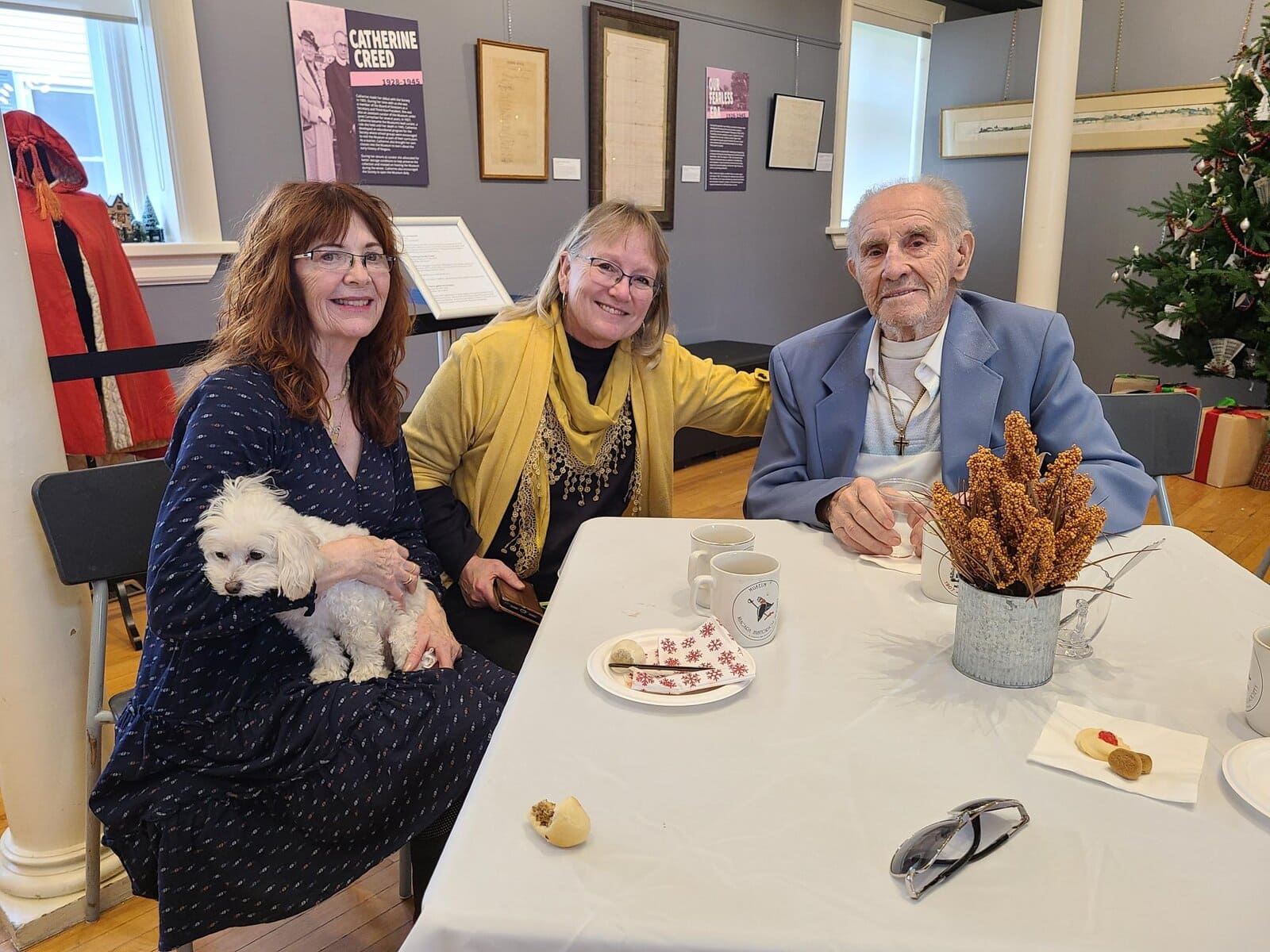
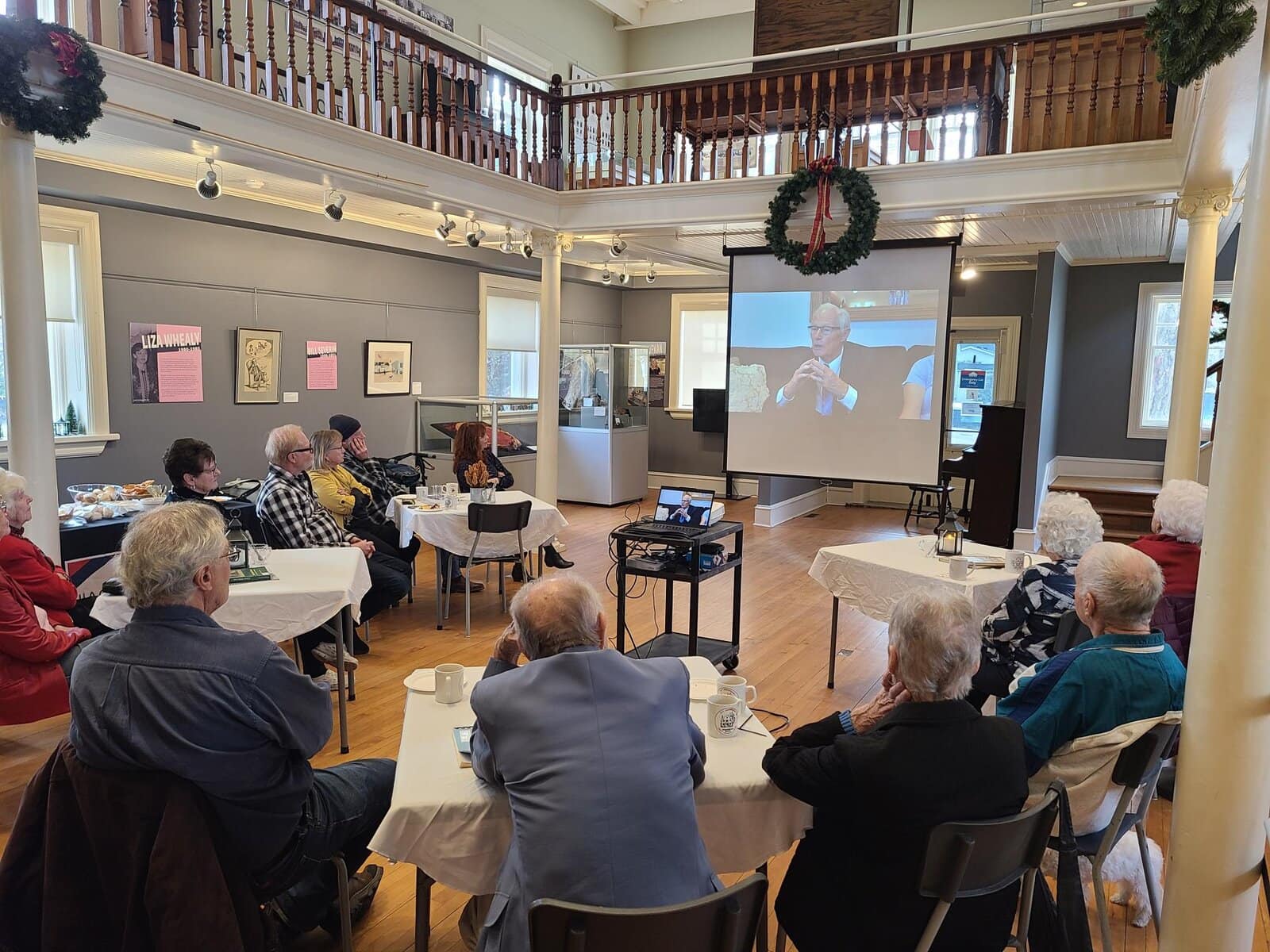
On Nov. 29, from 11 a.m. to 1 p.m., Mennonite families from Niagara-on-the-Lake gathered in Memorial Hall to watch new short documentaries, share family memories and hear how their interviews will inform new exhibits.
Funded through Library and Archives Canada’s documentary heritage communities program, the project will anchor a permanent Mennonite display in the expanded museum and a digital archive of more than 100 oral histories.
Community engagement co-ordinator Barbara Worthy welcomed guests into a hall trimmed for Christmas, thanking families who had invited her and videographer Joe Lapinski into their kitchens and living rooms over the past year.
The gathering included relatives of six families featured in the films, many with roots in Virgil’s fruit farms and small businesses.
“I can’t tell you how grateful I am that you allowed me to come and interview you,” said Worthy. “You allowed me into your homes, and the stories you shared were so personal. I am privileged to have learned them.”
The documentaries trace journeys from war-ravaged Ukraine, Poland and Germany, after the Second World War, to new lives on Four Mile Creek Road, Niven Road, Lakeshore Road and East-West Line.
Speakers recalled buying 10 and 12-acre parcels near Virgil over 70 years ago, digging basements by hand and planting peaches, tomatoes, strawberries, onions and cherries on land promoted as tender fruit country.
Family members also spoke about life after arrival in Niagara-on-the-Lake.
Some remembered being called “DP kids” at school (short for displaced persons) and facing slurs over their German accents. Others said earlier pre-war Mennonite arrivals sometimes looked down on post-war Mennonite immigrants.
“When you look at history, the most important part to most people is the stories they can tell,” said Stuart Hall, museum board member. “The most compelling stories are the cultural ones of communities.”
“To be able to preserve the Mennonite history here is amazing because the culture is so rich and such an important part of the story of this town.”
The project builds on earlier interviews recorded by local historian Randy Klaassen and on material collected over 12 years. Along with diaries, maps, photographs, music and family memorabilia, the new recordings are freely available on the museum’s YouTube channel.
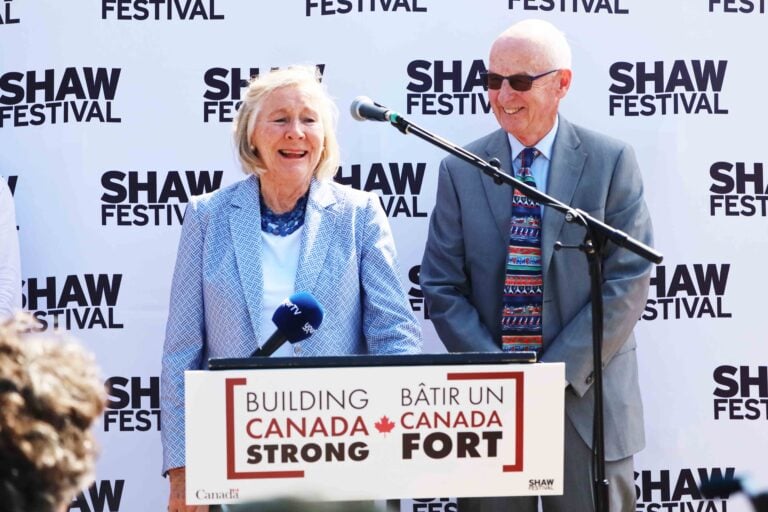
These stories will be key for the museum as it goes toward its expansion, which will include expanding its exhibitions, said Amy Klassen, the museum’s director of finance and marketing.
“We want to include these stories and your stories on the history of Mennonite life in the community, because it has left such a profound impact on our agriculture, our economy and our culture,” she said.
The museum’s expansion will add new program and exhibition rooms and artifact storage behind Memorial Hall, along with an elevator to improve accessibility.
A second enclosed link will join Memorial Hall to the house next door, once the home of Niagara Historical Society founder Janet Carnochan, which will become a research centre with archives, offices and space for volunteers.
“With the federal grant that was announced recently, the $2 million from the government pushed us quite a leap forward,” said Klassen. “We are hoping that in 2026 we will be able to break ground if everything falls in line.”
The museum’s campaign aims to raise $10 million and is now about 60 per cent complete, Klassen said.
This fall’s federal funding and private donations have moved the project past the halfway mark, while a sold-out Dec. 7 fundraiser at the MacArthur Estate and ongoing events such as the annual garden party will support both the expansion and day-to-day operations.
Throughout the afternoon, Worthy and curator Shauna Jones urged families to consider donating photos, quilts, recipes and farm tools, noting the museum cannot accept especially large items — like tractors — but can care for smaller items that help tell the story of Virgil’s farmers.
“You might think something is of no consequence, but it could be incredibly important as we build a permanent Mennonite exhibit in the expanded museum,” said Worthy.
The oral histories will be added to the museum’s online archive and to its future permanent galleries. Residents who want to share material or support the expansion can contact the museum for details on how to take part.